
Unlock Big Holiday Profits: Your Marketing Blueprint
- October 16, 2025
- Marketing tips
Estimated reading time: 13 minutes
Key Takeaways
- Prepare your holiday marketing strategy months in advance for maximum impact.
- Prioritize website speed, mobile optimization, and clear product info to convert visitors.
- Layer email campaigns, social media content, and paid ads for multi-channel reach.
- Segment and personalize messaging to drive engagement and loyalty.
- Focus on retention and feedback post-holiday to sustain momentum into the new year.
Table of Contents
- Keep Your Website in Top Shape
- Mark Your Calendars
- Prepare Engaging Emails
- Develop Social Media Content
- Plan Your Sales and Offers
- Choose Products That Win the Season
- Launch Ads the Smart Way
- Maintain Customer Engagement
- Retain Your Customers Post-Holiday Season
- Final Thoughts
- FAQ
The holiday season is an undeniable gold rush for e-commerce, but it’s also a fiercely competitive arena. As a seasoned business operator, I’ve navigated these waters many times, and I can tell you that maximizing your profits during this period isn't about luck; it's about meticulous planning, strategic execution, and a willingness to adapt.
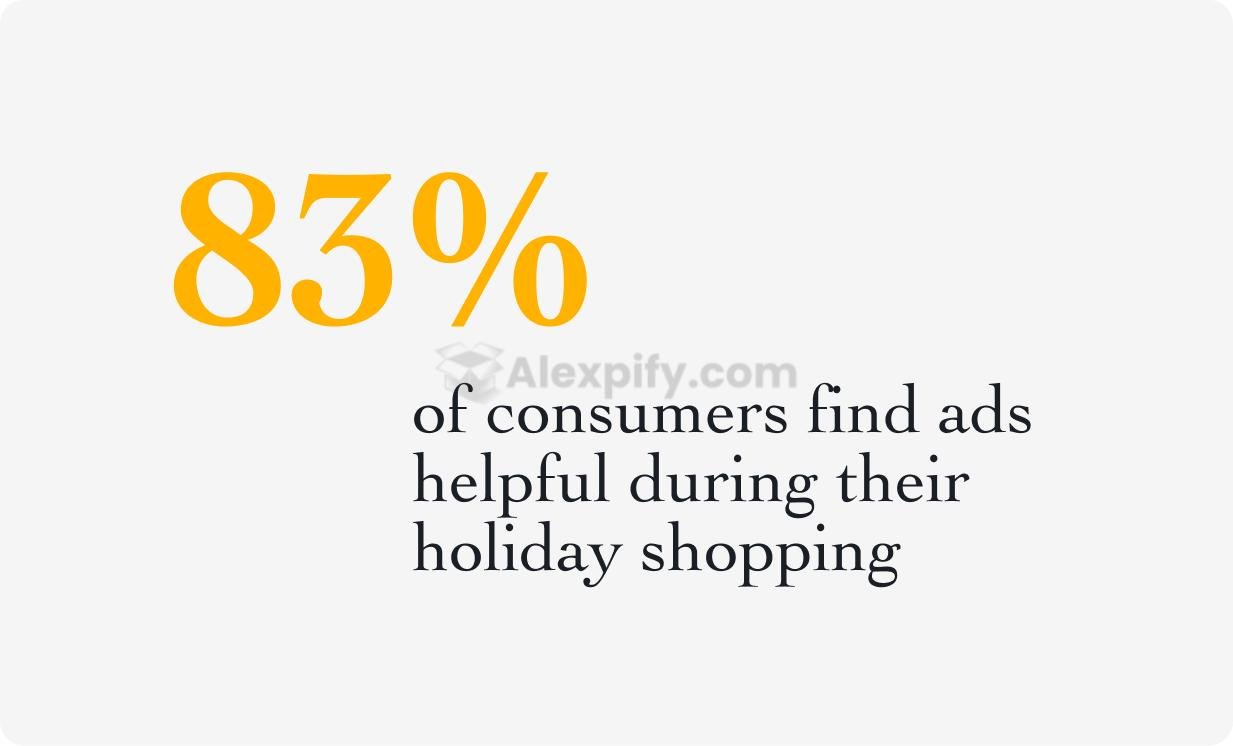
The landscape is shifting, with consumers starting their shopping earlier than ever—some major retailers even kick off promotions as early as July or September highlighting the urgency for businesses to prepare their holiday marketing efforts well in advance. My goal here is to share a clear, actionable roadmap, drawing from my experience and the latest market insights, to ensure your business not only survives but thrives during this critical time.
Keep Your Website in Top Shape
Your website is your storefront, and during the holidays, it will see significantly increased traffic. First impressions count, and a dated or slow site can be a major deterrent. I always advise starting by enhancing your homepage. Consider a professionally produced, branded video to lend a premium feel and clearly communicate your brand's essence. This isn't just about aesthetics; it’s about signaling quality and trustworthiness from the outset.
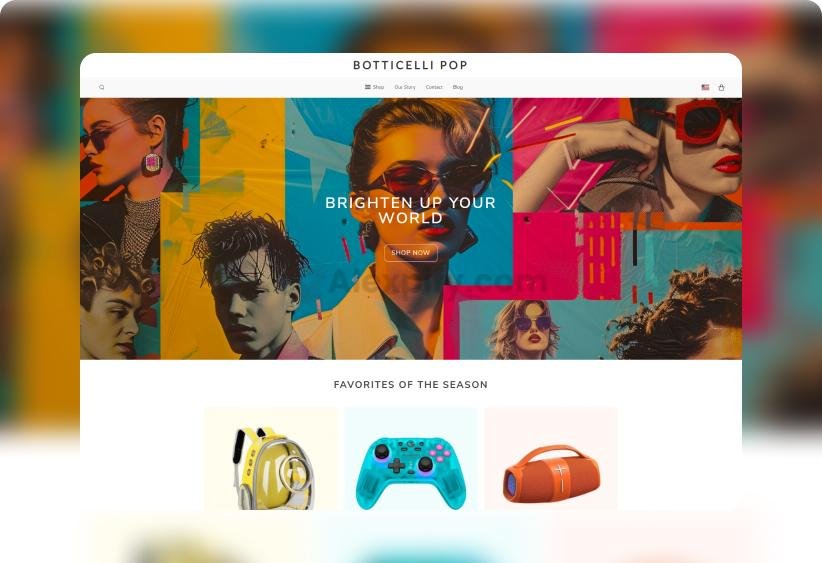
Beyond visual appeal, functionality is paramount. Ensure all product information, store policies, and contact forms are meticulously updated. Accurate descriptions build trust and minimize returns, while clear policies and responsive contact options demonstrate reliability. I've seen countless businesses lose sales due to outdated or hard-to-find information.
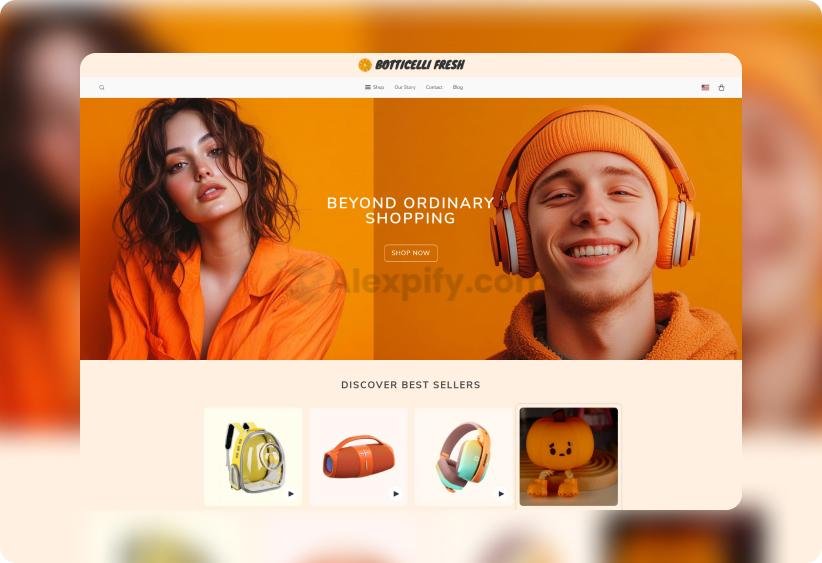
User experience is another critical factor. Upgrade your site's overall design for intuitive navigation, rapid page loading, and seamless mobile responsiveness. With over half of US holiday e-commerce sales projected to come from mobile in 2025, mobile optimization isn't just a suggestion; it's a necessity. Features like customer reviews and testimonials also bolster credibility, encouraging new visitors to convert. Finally, regular testing and optimization are non-negotiable. Leverage tools like Google Analytics to monitor user behavior, identifying bottlenecks and opportunities for improvement. Small tweaks to CTAs or checkout flows can yield significant conversion rate improvements.
Mark Your Calendars
Strategic planning begins with a comprehensive calendar. Don’t limit your focus to just Black Friday and Cyber Monday. Identify all significant shopping holidays relevant to your customer base, from Halloween and 11.11 to Thanksgiving, Christmas, and New Year’s. Early planning, as I often emphasize, reduces stress and helps capture early bird shoppers—nearly 42% of consumers plan to buy gifts sooner than usual.
Alongside these major dates, integrating robust SEO strategies is crucial for organic visibility. For on-site SEO, I recommend creating gift guide articles tailored to upcoming holidays. These draw in shoppers actively searching for specific items. Utilize free keyword tools like Google Keyword Planner or Semrush to identify high-volume, relevant keywords. For off-site SEO, securing high-quality backlinks from reputable sources and listing your store in classifieds can significantly boost your online presence and direct targeted traffic.
Prepare Engaging Emails
Even with the proliferation of new digital marketing channels, email remains one of the most effective and affordable ways to connect with your customers, offering an exceptional return on investment. I view it as a direct line to your audience, free from the whims of social media algorithms.
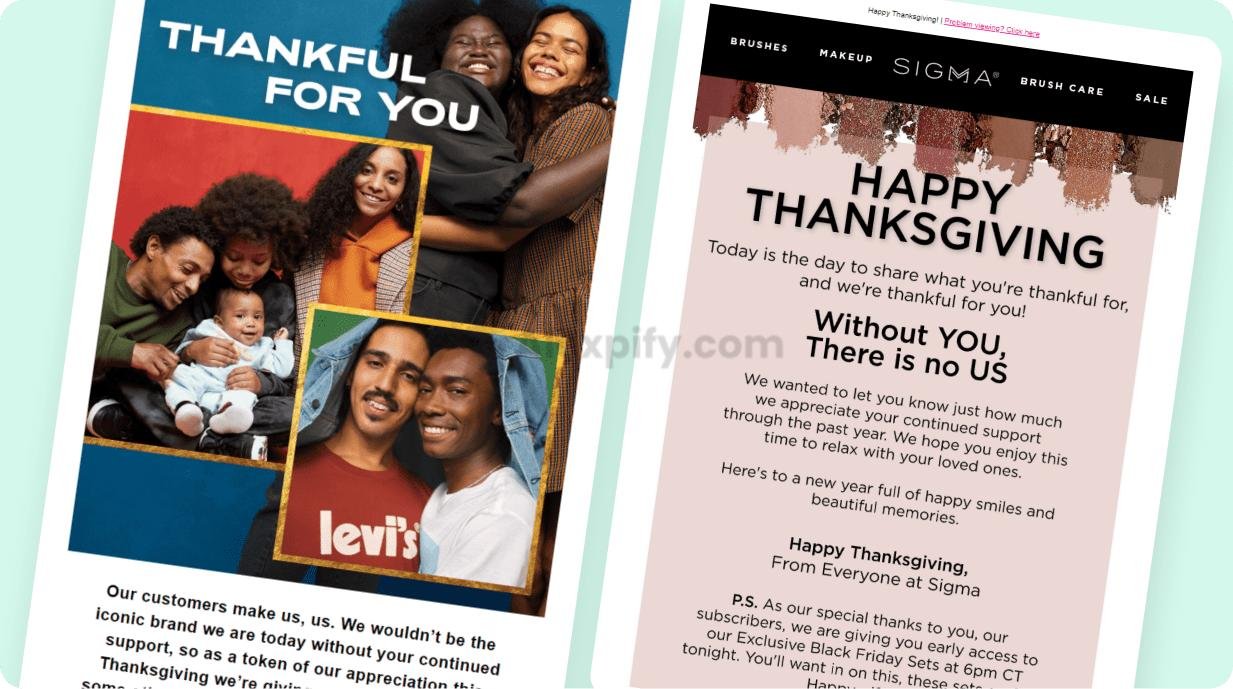
The key to successful holiday email campaigns lies in engagement. Craft clear, concise emails, remembering that most people spend only about 11 seconds reading an email. Every word must count. Instill a sense of urgency and relevance, and always include strong calls to action (CTAs) that guide recipients to their next step. Visually appealing emails with high-quality images also help break up text and capture attention, which is vital in today’s crowded digital landscape.
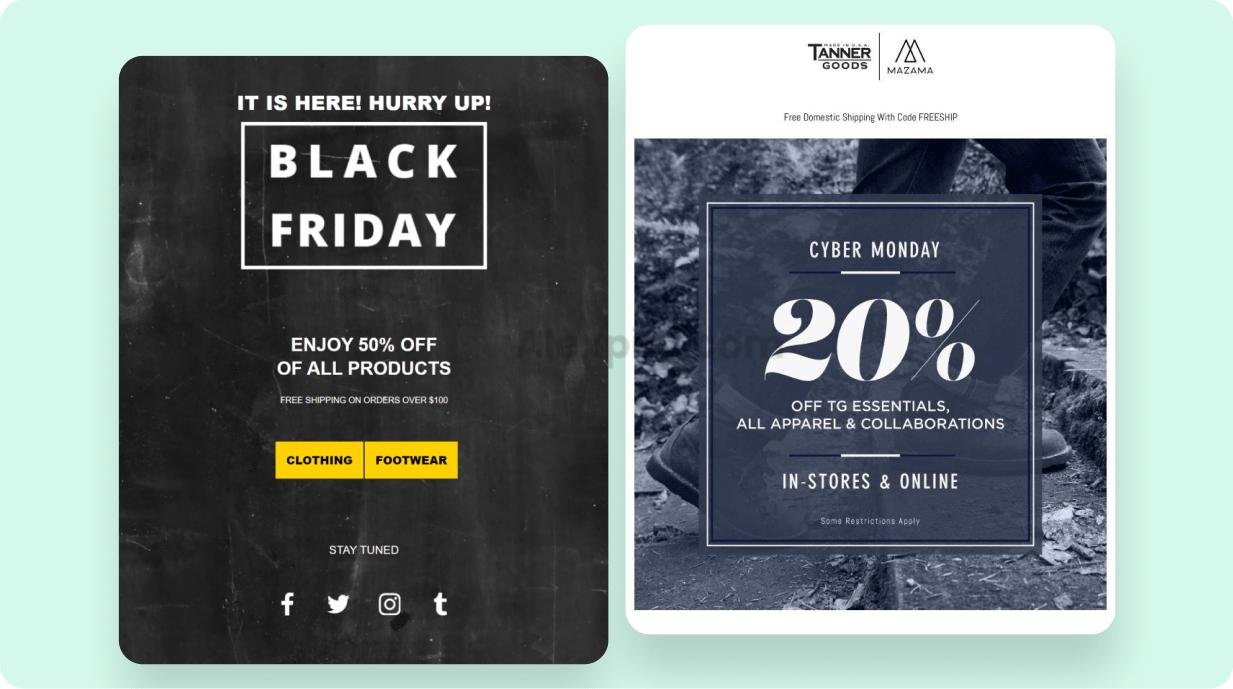
From a platform perspective, I often recommend Mailchimp for its user-friendliness, templates, automation, and analytics, making it adaptable for businesses of all sizes. For e-commerce, Klaviyo stands out with its superior segmentation and personalization features. These allow you to send highly targeted messages based on customer actions and preferences, significantly boosting engagement and conversion rates. Personalization is particularly powerful here; segmenting your audience by purchase history, browsing behavior, or interaction level allows you to deliver tailored content that resonates deeply, fostering loyalty and repeat business.
Develop Social Media Content
Social media is a powerhouse for customer engagement and driving traffic, especially during the holidays. To maximize its impact, timing your posts is critical. In 2024, I've observed that early morning posts around 4 AM on weekdays tend to be highly effective on Instagram, while Tuesdays and Thursdays between 8 AM and 12 PM often yield the best results on Facebook. Always cross-reference this with your own audience insights from tools like Instagram Insights or Facebook’s Page Insights.

For frequency, I suggest aiming for 3 to 5 posts per week on Instagram and 1 to 2 daily posts on Facebook. Dynamic formats are your best friends here: Instagram Reels and Stories, along with image or video posts on Facebook, generally perform well. Incorporate popular content types such as memes, giveaways, and trending formats. Memes offer a fun way to connect, while Reels are excellent for showcasing products in action. Giveaways, where participants might follow, like, and tag friends, are particularly effective for growing followers and boosting engagement. Remember, 84% of consumers used Instagram for holiday marketing in 2024, making it a critical platform for influencer-driven content and gift guides.
Plan Your Sales and Offers
Once your foundational elements are in place, it's time to strategize your promotions. Your offers need to be compelling and aligned with your audience's preferences. Whether it’s percentage discounts, fixed dollar amounts, or special promotions like buy-one-get-one-free, choose what resonates most. I often recommend using the Rule of 100: percentage discounts for items under $100 and fixed dollar discounts for more expensive items, as these often *appear* to offer greater savings. Consider a pop-up on your website to capture email addresses, offering a welcome discount to immediately engage potential customers.
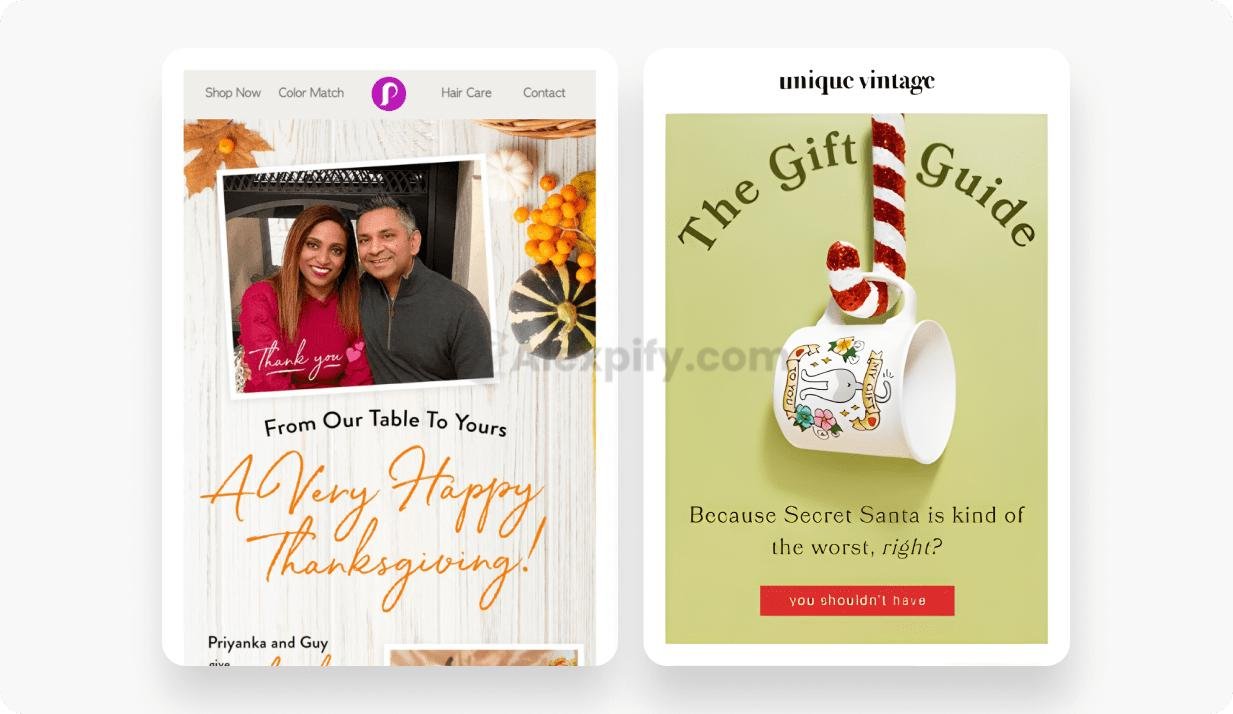
Beyond discounts, think about enhancing the shopping experience. Curate "Holiday Gift Ideas" or "Stocking Stuffers" categories on your website to simplify gift discovery. Expand your product range to appeal to diverse tastes. After building a robust email list, send newsletters featuring personalized gift suggestions. This targeted approach helps shoppers find exactly what they need, increasing the likelihood of conversion.
Choose Products That Win the Season
No matter how sophisticated your marketing, without desirable products, you won't generate irresistible profits. Holiday shoppers seek gifts that evoke joy, save time, and feel meaningful—ranging from cozy essentials and gadgets to beauty sets and digital courses. On average, U.S. consumers spend over $1,000 during the holiday season, with the majority allocated to gifts, décor, and experiences. Your product offer must shine in this context.

I strongly advocate for a mix of physical and digital offers. Physical goods have that classic gift appeal, while digital products offer instant gratification and significantly higher profit margins due to zero shipping or inventory costs. They're also perfect for last-minute purchases. With rising interest in self-improvement and online learning, digital bundles are not just convenient but also highly on-trend.
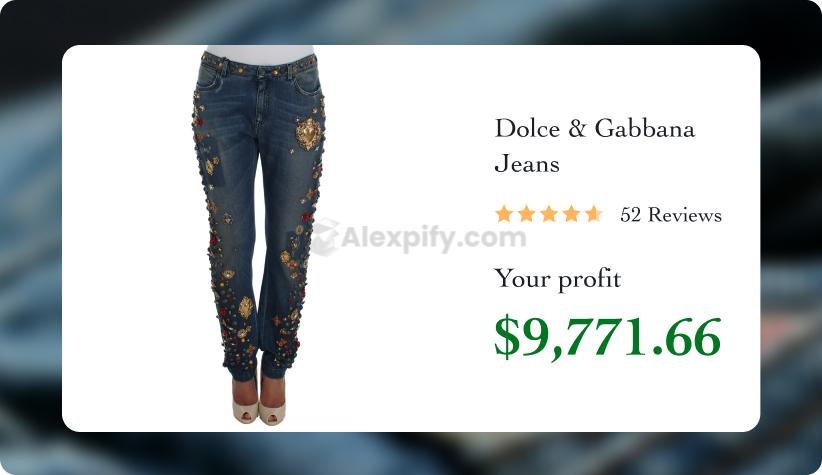
Making your products noticeable is the next crucial step. High-quality promo videos are indispensable for showcasing your offerings in their best light. Social media is where shoppers spend a lot of time, and video is the fastest way to capture attention. Don't feel you need to spend hours creating content; readily available product videos can help you maintain a professional, influencer-level presence without the heavy lifting.
Launch Ads the Smart Way
With your content ready, it's time to ensure it reaches your buyers. Organic reach alone simply won't suffice during the holidays; paid ads drive the majority of holiday sales. Studies indicate that businesses typically earn $2–$4 for every $1 spent on digital ads, and over 70% of shoppers discover gifts through social media advertising.
I always advise starting with simple, targeted campaigns across platforms like Facebook, Instagram, TikTok, or Google. Use festive visuals, concise videos, and clear calls to action (e.g., "Shop now," "Limited deal"). Crucially, retarget visitors who have already viewed your products; these audiences typically convert at higher rates during the holiday rush. It’s also important to remain flexible with your advertising budget, as the majority of online holiday sales still occur in November and December. This agility allows you to ramp up efforts as key holidays approach.
Maintain Customer Engagement
As your campaigns unfold, maintaining active and consistent customer engagement is paramount. Make it a daily practice to respond quickly and professionally to all inquiries. This continuous interaction builds trust and fosters a sense of community around your brand, which translates into loyalty.
To manage this efficiently, leverage automated responses for frequently asked questions. Both Instagram and Facebook offer features like quick replies or automated messaging. These tools allow you to save and reuse responses, ensuring prompt and consistent communication without having to manually type out answers repeatedly. Having pre-written templates for common scenarios ensures your communication remains polished and efficient, especially during peak times when customer queries spike. This proactive approach keeps customers happy and frees up your team to focus on other strategic tasks.
Retain Your Customers Post-Holiday Season
The work doesn’t stop once the holiday rush is over; in fact, a significant opportunity begins. Retaining newly acquired customers is almost always more cost-effective than finding new ones. I focus on strategies that leave a lasting impression. Implement personalized email follow-ups and continue active social media engagement. Consider launching a loyalty program to incentivize repeat purchases, turning one-time buyers into long-term advocates.
Gathering customer feedback through surveys is also critical for understanding needs and continuously refining your offerings. Furthermore, actively encourage customers to leave reviews on platforms like Google Reviews or Yelp. Positive reviews not only bolster your online reputation but also act as powerful social proof for future potential customers. Incentivize customers to share their experiences on their social networks, tagging your brand, perhaps with a small discount, a free sample, or an entry into a giveaway. This not only increases social visibility but also cultivates a vibrant brand community. By nurturing these relationships, you sustain the holiday momentum, converting new buyers into loyal, repeat customers long after the festive season ends.
Final Thoughts
Navigating the holiday season in e-commerce can feel overwhelming, but with a structured approach and early preparation, it becomes a period of immense opportunity. The key, as I’ve repeatedly emphasized, is to start early. This proactive stance allows you to refine strategies, troubleshoot potential issues before they escalate, and streamline operations for peak performance. It provides the necessary lead time to test new initiatives, predict customer demands more accurately, and ultimately, deliver greater satisfaction, which directly translates to higher sales. Approaching the busiest shopping period of the year with confidence and preparedness, rather than feeling swamped, makes all the difference.
FAQ
Why is holiday marketing so important for my online business?
Holiday marketing is crucial because it coincides with peak consumer spending periods like Black Friday, Cyber Monday, and Christmas. These events offer unparalleled opportunities to significantly boost sales, attract a large volume of new customers, and enhance overall brand visibility.
When should I begin planning my holiday marketing campaigns?
I recommend starting your holiday marketing campaign planning as early as July or September. Early preparation allows ample time to optimize your website, develop compelling content, and ensure your marketing strategies are fully refined and ready before the influx of holiday shoppers.
What are the most effective strategies for holiday marketing?
Effective strategies include optimizing your website for mobile and speed, planning attractive sales and offers, developing engaging email sequences, creating dynamic social media content, and employing advanced SEO techniques. A multi-channel approach ensures you capture attention across various touchpoints.
How can I enhance my website's performance for the holiday season?
To improve website performance, ensure it's mobile-friendly, has fast page load times, features up-to-date product information, and incorporates engaging visuals like branded videos. Additionally, consider integrating tools for abandoned cart recovery and urgency messaging to increase conversion rates.
What types of holiday promotions tend to work best?
The most effective holiday promotions often involve percentage-based discounts for lower-priced items, fixed dollar amount discounts for higher-priced goods, and special offers like buy-one-get-one-free. Tailoring these promotions to specific customer segments and creating holiday-themed product categories can further boost sales.
How can I effectively use email marketing during the holidays?
Effective holiday email marketing involves crafting clear, concise messages with strong calls to action. Segmenting your audience and personalizing content based on their behavior or preferences can significantly improve open rates and conversions. Leveraging automation platforms like Mailchimp or Klaviyo is essential for efficient campaign management.
What role does social media play in successful holiday marketing?
Social media is vital for connecting with your audience, promoting deals, and directing traffic to your site. Regularly posting, utilizing trending formats like Instagram Reels, and running engaging giveaways are key tactics to maximize reach and interaction during the busy holiday season.
How can I retain customers after the holiday shopping period?
Post-holiday customer retention involves personalized follow-up emails, establishing loyalty programs, and maintaining consistent social media engagement. Encouraging satisfied customers to leave reviews and share their positive experiences on social media helps build lasting brand loyalty and attracts new business through word-of-mouth.

About us and this blog
Alexpify is a knowledge hub for entrepreneurs who want to master Shopify dropshipping and global e-commerce. Founded by Alex, the blog shares practical guides, real insights, and step-by-step tutorials that simplify online business for everyone — from beginners to full-time digital sellers.

More from my blog
See all posts