
Social Proof in Dropshipping: 11 Powerful Ways to Build Trust for Your Store
- October 21, 2025
- Inspiration
Estimated reading time: 16 minutes
Key Takeaways
- Social proof is essential for building trust and credibility in dropshipping stores, especially when lacking a long-standing brand history.
- Effective social proof strategies include showcasing real-time user behavior, professional endorsements, video testimonials, social media engagement, customer reviews, press coverage, "As Seen On" logos, affiliate and influencer marketing, and more.
- Leveraging a mix of these tactics can drastically boost your store’s conversion rates and enhance perceived legitimacy.
- Always ensure all reviews, testimonials, and endorsements are genuine to avoid negative social proof.
Table of Contents
- Displaying User Behaviors
- Professional Opinions and Approvals
- Customer Video Testimonials
- Social Media Engagement
- Celebrity Endorsement
- Customer Reviews and Ratings
- Press or Media Coverage
- 'As Seen On' Logos
- Affiliate Marketing
- Guest Posting
- Influencer Marketing
- 5 Tips for Amplifying Social Proof in Dropshipping
- FAQ
As a seasoned business operator and consultant, I've seen firsthand how crucial trust is in the e-commerce landscape, especially in dropshipping. Without a long-standing brand history, building credibility becomes paramount. This is where social proof in dropshipping becomes your most potent weapon. It’s a psychological phenomenon where people look to the actions and opinions of others to guide their own behavior. For dropshipping, this translates directly into increased conversions and sales.
Let's dive into some of the most effective strategies and real-world examples I've encountered to leverage social proof in your dropshipping venture.
Displaying User Behaviors
One of the most immediate ways to influence potential customers is by showcasing what others are doing on your site. This creates a sense of urgency and demonstrates popularity.
I've seen dropshipping stores effectively use live pop-ups, for example, which announce recent purchases, creating a "fear of missing out" (FOMO) effect. Warmly, a home decor dropshipping company, uses this tactic to great effect, displaying customer names and purchases in real-time. Another approach is through product tags, highlighting "best sellers" or "sold out" items, as seen with fashion store Bohemians Mart. This not only points customers toward popular items but also underscores the demand.
Furthermore, bundling products as "frequently bought together" — like How Do I Buy This does — subconsciously tells customers that these combinations are desirable and well-received.
Professional Opinions and Approvals
When consumers are unsure about a product's performance, they often seek expert guidance. Smart dropshippers anticipate this by featuring professional endorsements. Consider Neck Recliner, a company selling posture correctors. They differentiate themselves by showcasing opinions from a medical doctor and a professional wrestler, instantly boosting their product's perceived efficacy. GripXT, another dropshipping firm, prominently displays an orthopedic surgeon's endorsement.

Not all products require this, but for health, skin, or fitness-related items, it can be a game-changer. While popular international experts can be costly, local experts or endorsements from recognized institutions like a famous gym or a nearby hospital can be equally effective, provided they are genuine. Special certifications, like FSA and HSA approvals leveraged by Bamboobies, also act as powerful social proof, signaling product eligibility and quality. Lastly, obtaining professional certifications and awards from reputable organizations like the FDA or AHA, though challenging for dropshippers, can significantly enhance trust and is worth considering for scaling successful private label products, as demonstrated by BODIFLX.
Customer Video Testimonials
While written and photo reviews are valuable, video testimonials take social proof a step further. Videos feel more authentic and are harder to manipulate, offering a genuine glimpse into a customer's positive experience. Pillow Slides, for instance, includes video reviews alongside text and photo reviews, allowing customers to hear directly from satisfied buyers.
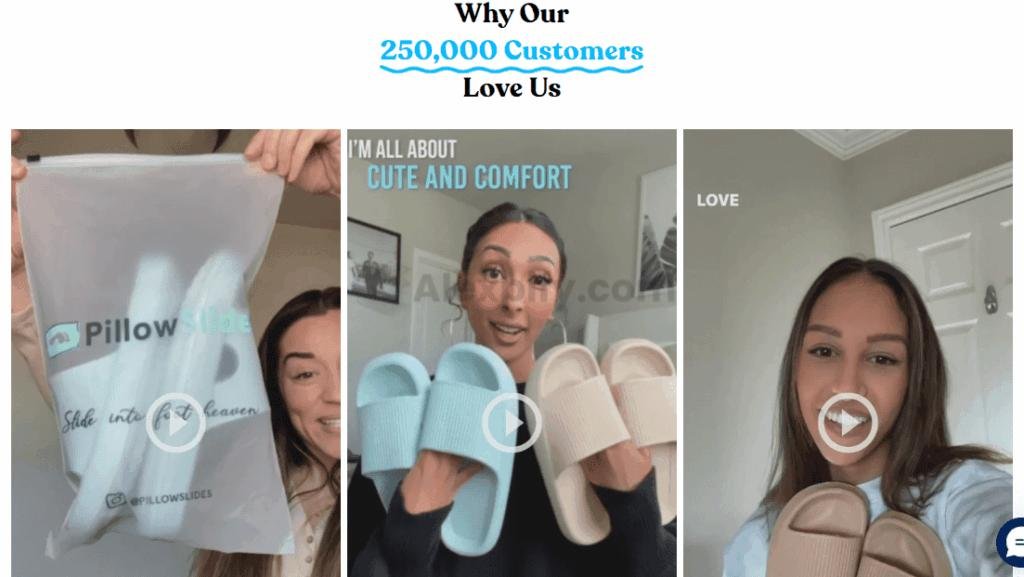
To gather these, I recommend incentivizing your happiest customers. Identify those who have left glowing reviews, then reach out with personalized emails offering a free product or a discount in exchange for a short video testimonial. Another avenue is offering brand ambassadorships, as Inspire Uplift does, where customers receive perks for sharing their experiences. You can also tap into your social circle or hire professional product testers from platforms like Fiverr or Upwork who specialize in creating high-quality video reviews for dropshipping products.
Social Media Engagement
In today's digital age, social media engagement—likes, shares, comments, and tags—is a powerful indicator of a product's popularity. When a product post generates significant interaction, it creates a natural inclination for others to investigate and potentially purchase. Sugar And Cotton, a dropshipping company, showcases thousands of likes, shares, and comments on their Facebook posts, and their page boasts over a million followers. This level of engagement triggers several psychological responses: a basic instinct to follow the crowd, the fear of missing out, a desire to stay on trend, an immediate perception of usefulness, and increased trust.

To boost your social media engagement, utilize multiple platforms. While Facebook might be saturated with commercial ads for some audiences, TikTok, with its focus on fun and engaging video content, could yield an overwhelming response, as Fresh Juice Blender has experienced. Also, don't let a successful post’s engagement go to waste. Repurpose high-engagement posts into ads. A clever tactic I’ve seen is targeting a cheaper audience, like teens in developing countries, to initially build engagement, then leveraging that social proof for ads in your primary, more affluent markets.
Celebrity Endorsement
While often associated with larger brands, celebrity endorsement can be a potent, albeit higher-investment, form of social proof for dropshipping, especially for private label ventures. BlendJet, for instance, collaborated with celebrity Jen Selter, whose Instagram post not only promoted the product but also announced a giveaway, creating a win-win for both parties. Hyperice, another private label dropshipping company, has partnered with 15 professional athletes, including Naomi Osaka, showcasing their endorsements in YouTube videos with millions of views.
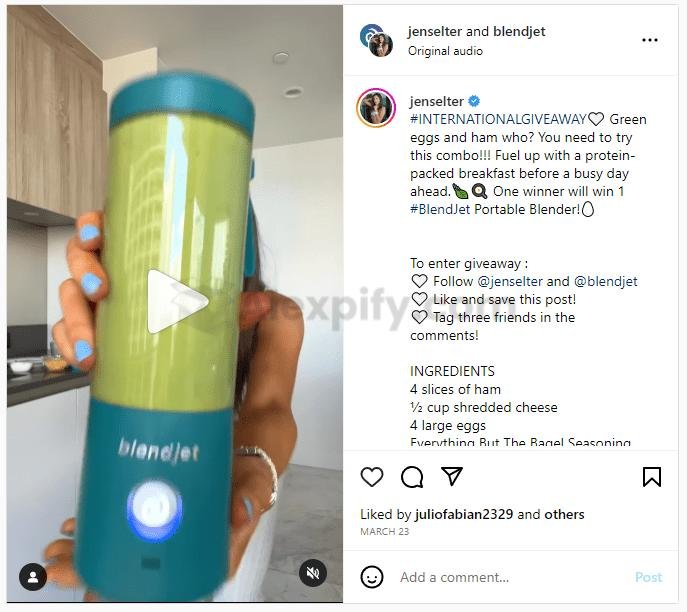
When considering celebrity endorsements, choose individuals whose niche aligns with your product. Social media has also given rise to a new breed of celebrities with massive followings, offering a more accessible avenue for paid partnerships. Lastly, rather than direct contact, I advise liaising with celebrity managers to build relationships and increase your chances of securing an endorsement.
Customer Reviews and Ratings
People inherently want to know about others' experiences before making a purchase. Displaying customer reviews and ratings is a fundamental form of social proof for any dropshipping store. Turned Yellow, for example, prominently displays over 12,000 reviews, many with pictures, and clearly tags "verified buyers" to enhance trust. Miracle Sofa also effectively integrates customer reviews around the bottom of their homepage with a clean, simple design that adds credibility.
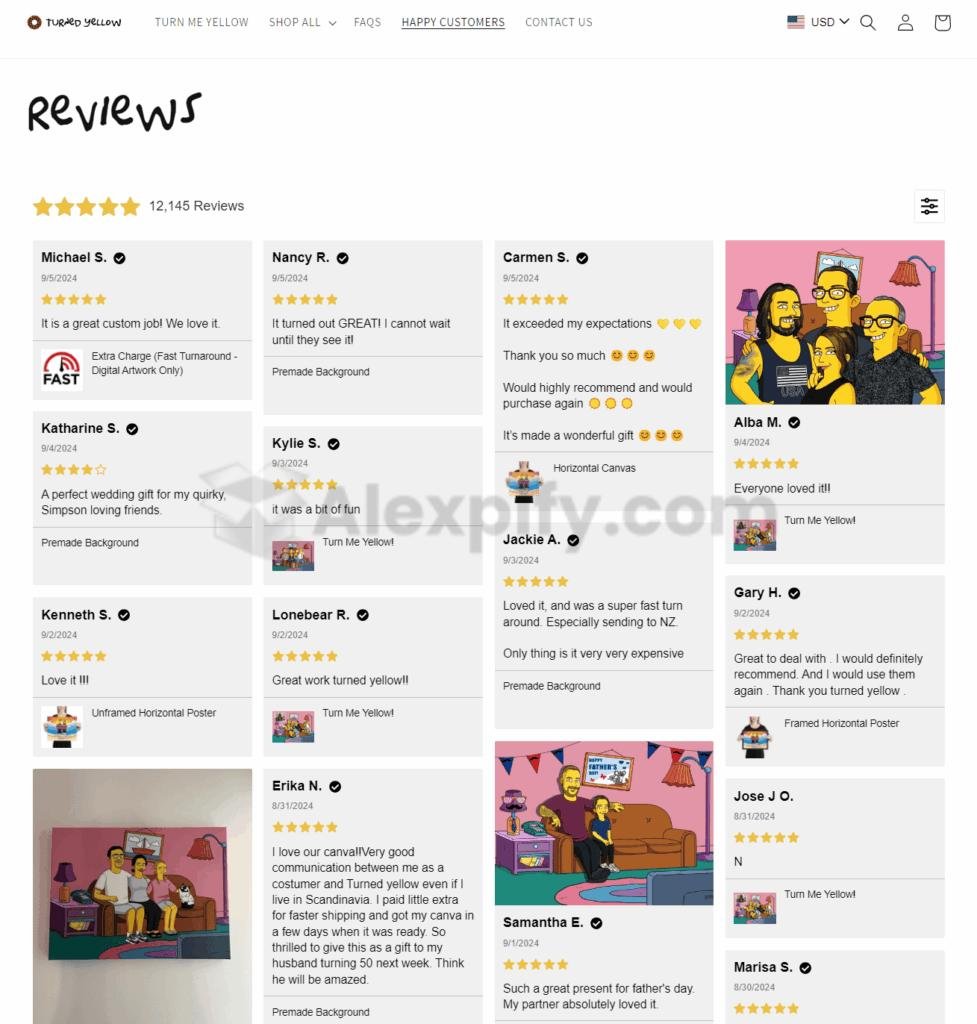
To effectively gather and showcase reviews:
- Simplify the process: Make it easy for customers to leave feedback. Bellroy, a private label dropshipping company, includes review URLs in follow-up emails.
- Import social media reviews: Many customers share feedback on social media. Embed these reviews on your website, as Vertoku, a dropshipping knife company, successfully does.
- Incentivize reviews: Offer discount coupons or other perks in post-purchase emails to encourage customers to share their thoughts.
- Import from source websites: For dropshippers, importing reviews from platforms like AliExpress to Shopify using apps like Stamped.io or Ryviu is a straightforward way to populate your product pages with valuable social proof.
Press or Media Coverage
News and media outlets are perceived as authentic sources of information, making press coverage a significant form of social proof. If your target audience sees your company featured in the news, their trust factor will soar. SandCloud, a private label dropshipping company, gained credibility when CNBC naturally covered an article about them, avoiding the impression of a paid promotion.
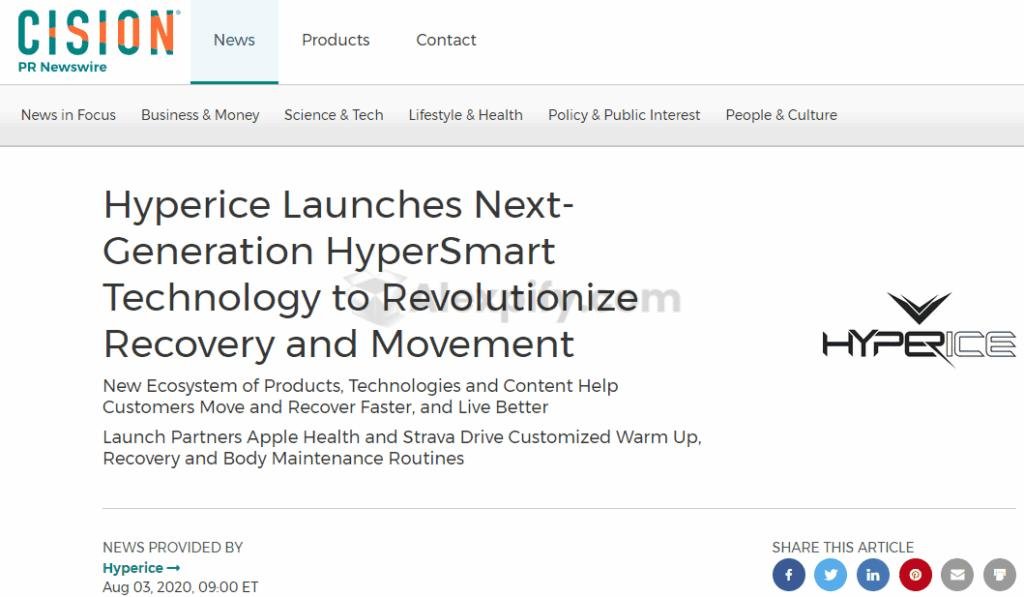
To leverage press and media:
- Target online newspapers: Many newspapers feature articles on their online platforms. Reach out to leading publications to potentially include your company. DailyMail's MailOnline, for instance, has a "Best Buys" section that featured BlendJet's review.
- Issue press releases: Submit press releases about your products or company to relevant organizations. Many platforms offer free publication if you adhere to their guidelines, as Hyperice demonstrates with its press releases.
- Take news-worthy initiatives: Newspapers gravitate towards interesting stories. Sponsoring a social cause or participating in a business expo that generates media attention can put your company in the spotlight.
'As Seen On' Logos
Displaying logos of recognizable companies, especially famous ones, on your store is a powerful visual cue for social proof. While B2B companies often display client logos, dropshipping stores can benefit by showcasing where their products have been featured. Saber Masters, a dropshipping store, effectively uses this tactic.
Here’s how to implement "As Seen On" logos:
- Press logos: If your products have been featured in news outlets, prominently display their logos. Sage & Sill, a dropshipping company, uses this strategy effectively.
- Niche magazine logos: Instead of mainstream media, consider getting featured in magazines relevant to your product's niche. Modelones, a dropshipping store selling beauty products, displays logos of beauty magazines that have featured their items.
- Professional usage: Sometimes, logos aren't necessary. Displaying images of your products being used in professional settings, such as Vertoku's knives with professional chefs, can convey professionalism and quality.
Affiliate Marketing
Affiliate marketing involves paying others to promote your products, with affiliates earning commissions on sales. Affiliate reviews, in particular, act as a form of social proof by offering unbiased opinions from third-party sources. Forbes, for example, featured BlendJet in its "vetted" products section, significantly boosting reader trust.
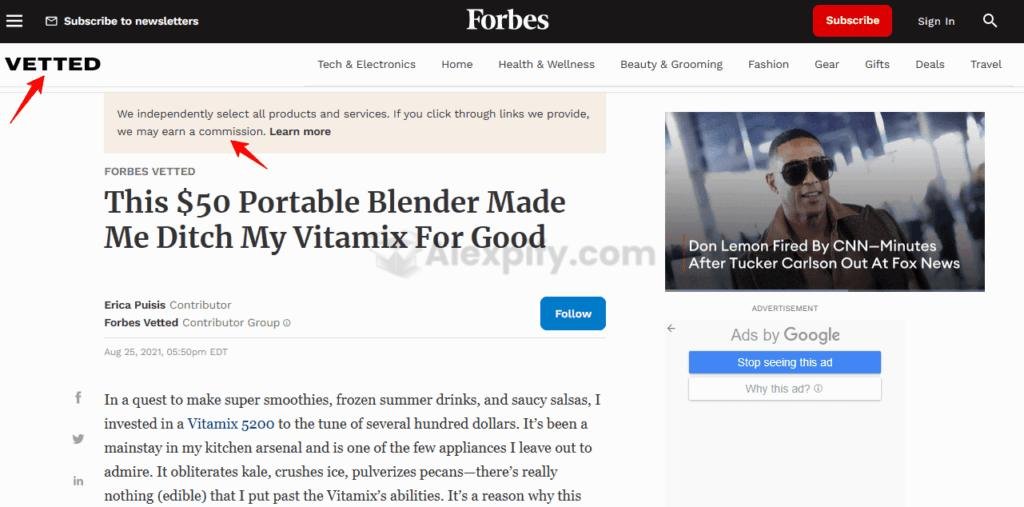
To harness affiliate marketing for social proof:
- Offer your own affiliate program: Create an attractive affiliate program with competitive commissions. Pillow Slides offers a 10% commission and an additional 10% discount for buyers from affiliate links, making it enticing for marketers.
- Register with affiliate networks: Make your program visible by registering with major affiliate platforms like ShareASale and CJ Affiliate. This exposes your products to a vast network of affiliate marketers, increasing promotion and social proof.
- Offer special discount coupons: Distribute coupons and vouchers to discount platforms. Seeing your store listed on these sites, as InspireUplift on Offers.com demonstrates, can inherently build social proof and drive traffic.
Guest Posting
Guest posting involves submitting articles to other websites, which drives additional traffic and builds trust. When potential customers discover your product or store through a respected third-party blog or website, it lends credibility to your business. Meowingtons, for instance, used guest posting on Medium to celebrate an anniversary, reaching a broader audience and gaining visibility.
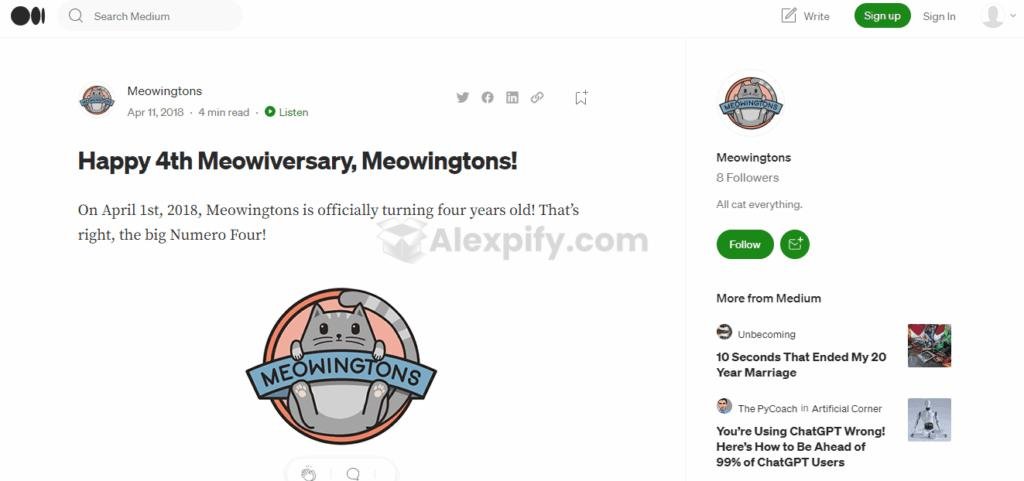
To leverage guest posting for social proof:
- Contact popular websites: Reach out to reputable websites and blogs with significant traffic that offer guest posting opportunities or feature products. Mashable, for example, features top products.
- Target product-featuring sites: Websites like ShutUpAndTakeMyMoney and OddityMall specifically feature unique products. Submitting your items here can generate both traffic and social proof.
- Launch a complementary blog: Consider creating a separate blog under a different name to promote your dropshipping store. This provides an additional channel for customers to discover and trust your company.
Influencer Marketing
Influencer marketing is an exceptionally effective method for convincing audiences and generating social proof. Many dropshipping and mainstream e-commerce companies utilize this strategy. Pillow Slides provides a strong example of successful influencer marketing.

To maximize influencer marketing for social proof:
- Explore multiple platforms: Don't limit yourself to Instagram. YouTube and TikTok are powerful platforms for unboxing videos and product reviews.
- Contact niche influencers: Focus on influencers within your product's specific niche. Notebook Therapy, a dropshipping company, partnered with a travel influencer to promote their travel journals, ensuring relevance to their target audience.
- Liaise with multiple influencers: Collaborating with several influencers across various products and consolidating their endorsements on your website creates a cumulative and powerful social proof effect, as Kawaiies demonstrates.
5 Tips for Amplifying Social Proof in Dropshipping
Beyond the specific methods, here are some overarching strategies I've found essential for maximizing the impact of social proof:
- Showcase Social Proof in Your Ads: Don't hoard your hard-earned social proof. Integrate it directly into your advertisements, even for new products. This immediately convinces your ad audience, as seen with print-on-demand company Ludic Closet.
- Embed Social Proof on Key Store Pages: Your homepage, product pages, and checkout flow are critical touchpoints. Strategically place customer reviews, testimonials, or trust badges on these pages to reassure customers. For My Doggy, a pet dropshipping company, prominently displays customer review statistics on its homepage.
- Integrate Social Proof into Email Marketing: Email campaigns are excellent for driving sales. Boost trust and credibility by including customer reviews, ratings, or highlighting best-selling products in your emails.
- Enhance CTAs with Social Proof: Encourage desired actions by adding social proof to your calls to action. The Kawaii Shoppu, for example, urges visitors to join a network of "100K followers on Instagram," leveraging a large community to drive engagement.
- Achieve Verified Social Profiles: A verified badge on your social media profiles lends immediate legitimacy and credibility, serving as powerful social proof for potential customers. Meowingtons, a pet dropshipping company, exemplifies this with its verified Facebook page.
FAQ
Q: What is social proof and why is it important for dropshipping?
A: Social proof is a psychological phenomenon where people assume the actions of others reflect the correct behavior. In dropshipping, where trust can be scarce, social proof builds credibility, reduces buyer hesitation, and significantly increases conversion rates by showing potential customers that others have positively engaged with your products.
Q: How can I gather customer reviews if my dropshipping store is new?
A: Start by simplifying the review process with direct links in follow-up emails, offer incentives like discounts for reviews, and import existing reviews from your product's source websites. You can also ask friends and family to genuinely review products they've tried.
Q: Is it worth investing in influencer marketing for a dropshipping store?
A: Absolutely. Influencer marketing can be highly effective. Focus on niche influencers whose audience aligns with your product. While top-tier influencers might be expensive, micro-influencers often offer better engagement and a more targeted reach for dropshipping businesses.
Q: How can I display "As Seen On" logos if my dropshipping store hasn't been featured in major media?
A: You don't always need major media. Look for features in niche-specific blogs or magazines relevant to your product. You can also showcase images of your products being used in professional settings, which serves a similar purpose of demonstrating credibility and adoption.
Q: What are the risks of using social proof, and how can I avoid negative social proof?
A: The main risk is in presenting inauthentic social proof, which can erode trust. Always ensure all reviews, testimonials, and endorsements are genuine. To avoid negative social proof, proactively address customer complaints and feedback, respond professionally to negative reviews, and maintain high product quality and customer service standards to minimize negative experiences. Negative feedback, though inevitable, must be managed effectively to preserve your brand's reputation here.

About us and this blog
Alexpify is a knowledge hub for entrepreneurs who want to master Shopify dropshipping and global e-commerce. Founded by Alex, the blog shares practical guides, real insights, and step-by-step tutorials that simplify online business for everyone — from beginners to full-time digital sellers.

More from my blog
See all posts