
Dropshipping Marketing: Pick Your Path to Profit!
- October 16, 2025
- Marketing tips
Estimated Reading Time: 16 minutes
Key Takeaways
- Effective marketing is essential for driving sales in the crowded dropshipping landscape.
- Understanding your niche, product, and audience guides the right marketing method selection.
- Various marketing channels—email, search ads, influencers, TikTok, SEO, Facebook Ads, Pinterest, and direct mail—have distinct pros, cons, and use cases.
- Strategic, gradual channel adoption and consistent optimization yield the best results.
- Review your performance regularly, adapt rapidly, and always focus on your target customer’s behavior.
Table of Contents
- Preparing to Pick Your Dropshipping Marketing Method
- Exploring Key Dropshipping Marketing Methods
- Navigating Your Initial Marketing Choices
- Conclusion
- FAQ
Preparing to Pick Your Dropshipping Marketing Method
Many aspiring entrepreneurs dive into dropshipping with a keen eye on products and suppliers, yet often overlook the critical engine that drives sales: marketing. The reality is, merely having a product or a website isn't enough in today's crowded digital landscape. With millions of online stores vying for attention, effective marketing for dropshipping is the indispensable bridge between your products and paying customers.
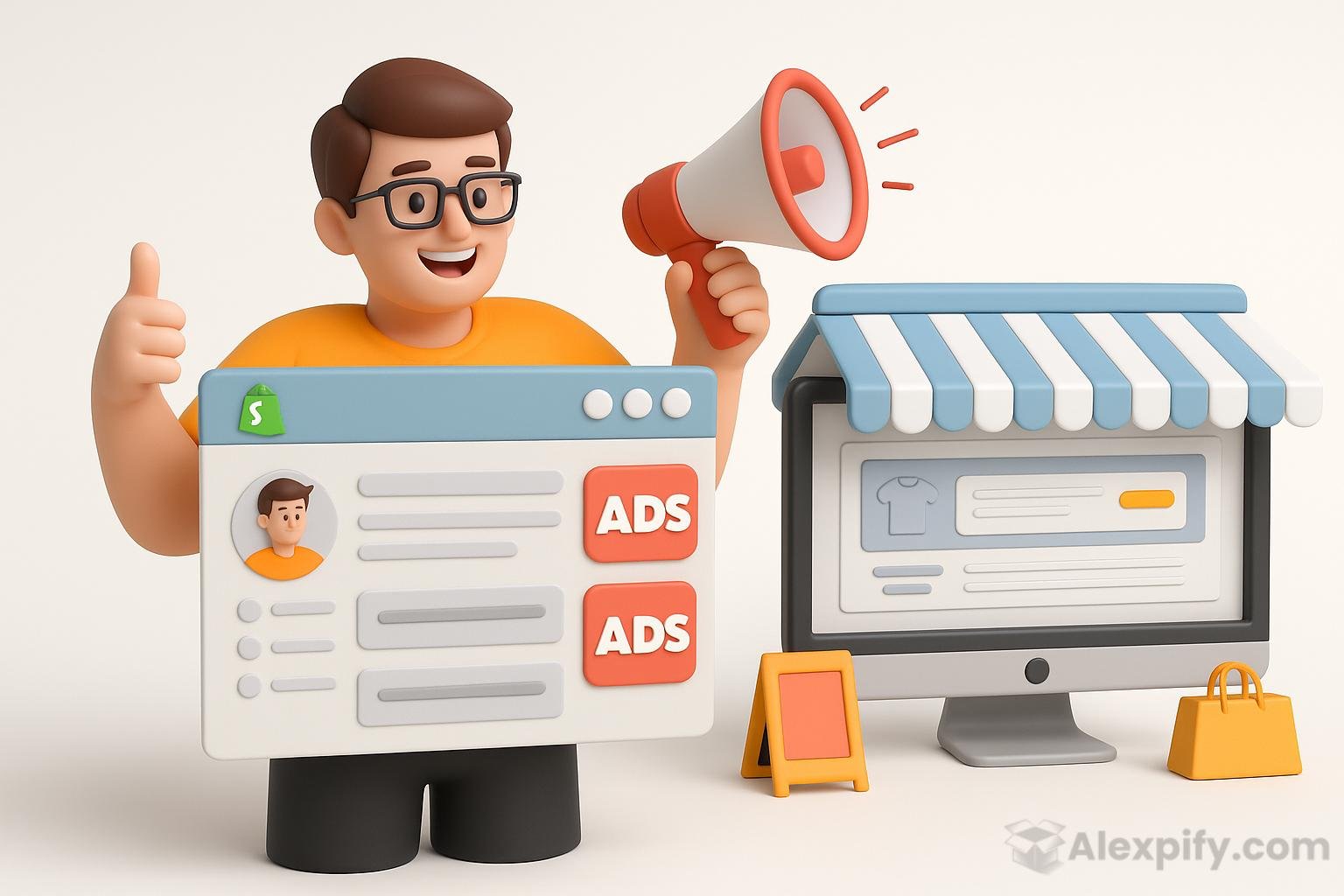
I’ve seen firsthand how a well-crafted marketing strategy can transform a struggling dropshipping venture into a thriving business. Without it, even the most innovative products will remain undiscovered. It's about more than just visibility; it's about connecting with your audience, building trust, and converting interest into sales.
Before you even consider which marketing channel to tackle, a fundamental understanding of your business is paramount. Think of it as laying the groundwork for a successful campaign. This preparation isn't just helpful; it's non-negotiable for maximizing your marketing spend and effort.
From my perspective, three critical pieces of information will guide your choices:
- Your Niche: What specific market segment are you serving? A clear niche helps you understand the problems you’re solving and the aspirations you’re addressing.
- Your Product(s): What exactly are you selling? Is it a problem-solver, a "wow-factor" item, or a staple? The nature of your product heavily influences where and how it should be advertised.
- Your Audience: Who are you targeting? Developing a detailed buyer persona – understanding their demographics, interests, online behavior, and pain points – is crucial. This will dictate not just where you advertise, but how you communicate.
Keeping these insights front and center as you evaluate various marketing methods will make the selection process far more strategic and effective.
Exploring Key Dropshipping Marketing Methods
The digital realm offers a plethora of marketing avenues, each with its unique strengths and weaknesses. What works for one dropshipping store might fall flat for another. It’s not about finding the "best" method, but the right method for your specific business.
Email Marketing
Email marketing, often perceived as an older strategy, remains one of the most potent tools in a dropshipper's arsenal. It's about building direct relationships with your audience through newsletters, promotions, and personalized communications.
Pros of Email Marketing:
- Exceptional ROI: Email marketing consistently delivers a high return on investment. Some studies suggest it can generate a significant return for every dollar spent . This channel, when done right, is known for being one of the highest ROI channels for dropshipping, especially when personalization and segmentation are applied to increase open and conversion rates.
- Fosters Repeat Purchases and Loyalty: By engaging customers with relevant content, new product alerts, and exclusive offers, email marketing keeps your brand top-of-mind, driving repeat purchases and cultivating loyal customers.
- Cost-Effective: Many email marketing services offer free tiers for beginners, making it an accessible option even for those with limited budgets.
Cons of Email Marketing:
- Requires an Audience: The primary drawback is the need for a substantial email list. If you're just starting out with only a handful of subscribers, the impact will be minimal.
Should you use Email Marketing?
Absolutely, especially if you’ve been in business for a while and have neglected building an email list. For new stores, it’s an essential long-term strategy that should be implemented from day one to capture leads, even if immediate sales aren’t the goal. It’s a foundational pillar for sustainable growth.
Google Ads
Google Ads (formerly Google AdWords) allows you to place targeted advertisements directly within Google's search results, display network, and YouTube. Essentially, you're paying Google to position your website at the top of search queries, driving highly engaged traffic.
Pros of Google Ads:
- Targets Engaged Shoppers: Users on Google are actively searching for solutions or products, indicating a high buying intent. This means a higher likelihood of conversion once they click through to your store.
- Robust Analytics and Integration: Google Ads integrates seamlessly with Google Analytics, providing in-depth data on conversions and allowing the platform's AI to optimize your campaigns for better performance.
- Pay-Per-Click (PPC) Model: You only pay when someone clicks on your ad, offering precise control over your spending and ensuring you only pay for actual traffic.
Cons of Google Ads:
- Irrelevant Search Queries: Without careful keyword management, your ads might appear for unrelated searches, leading to wasted clicks and budget.
- Potentially Higher Costs: While efficient, Google Ads can sometimes be more expensive per click than other platforms, especially in competitive niches.
Should you use Google Ads?
If your product addresses a specific need or is something people actively search for (e.g., specific electronics, tools, or niche apparel), Google Ads is an excellent choice. It’s perfect for capturing demand rather than creating it. It offers automation for scalability and vast data for informed decisions.
Influencer Marketing
Influencer marketing leverages individuals with an established following to endorse your products, typically on platforms like Instagram and TikTok. It's about tapping into existing trust and communities to promote your offerings.
Pros of Influencer Marketing:
- Budget-Friendly Entry: You can often negotiate affordable rates with micro-influencers, exposing your product to thousands for a relatively small investment compared to large-scale paid ad campaigns.
- High Trust Factor: People tend to trust recommendations from influencers they follow more than traditional ads, leveraging the influencer's credibility.
- Boosts Social Proof: When popular figures promote your product, it lends credibility to your brand, increasing perceived value and trustworthiness. This can also include collaborations with smaller influencers or meme pages in your niche to reach established audiences with relevant, trustworthy content .
Cons of Influencer Marketing:
- Fake Engagement Risks: A significant challenge is identifying influencers who have purchased fake followers or engagement, leading to wasted marketing spend.
- Measurement Difficulties: Tracking precise metrics like reach, click-through rates, and conversions can be challenging, often requiring manual tracking or relying on the influencer's data.
- Time-Intensive: It requires constant outreach, negotiation, and coordination with influencers.
Should you use Influencer Marketing?
If you have a smaller budget but ample time to dedicate to outreach and relationship building, influencer marketing is a solid choice. It's particularly effective for products with a strong visual appeal or a clear problem-solving narrative that can be genuinely showcased.
TikTok
TikTok, the short-form video giant, has become an undeniable force in dropshipping marketing. It offers multiple avenues for promotion, from organic content creation to paid advertising and influencer collaborations.
Pros of TikTok:
- Diverse Advertising Options: You can run TikTok Ads (similar to Facebook Ads), partner with TikTok influencers, or grow your own organic presence by consistently posting engaging content around your niche and products.
- Relatively Low Costs: TikTok Ads tend to be cheaper than platforms like Facebook Ads, and organic growth can lead to free traffic. Influencer rates on TikTok can also be more budget-friendly than on platforms like Instagram.
- Viral Potential: The platform's algorithm favors engaging content, offering smaller accounts a chance to go viral and reach a massive audience quickly.
Cons of TikTok:
- Demographic Skew: While its user base is maturing, TikTok still skews younger. If your target audience is significantly older (e.g., 40+ or 50+), reaching them effectively can be a challenge outside of targeted ads.
- Lower Conversion Rates: Users often scroll through TikTok for entertainment, not purchasing intent. This can lead to lower conversion rates compared to platforms where users are actively searching to buy. Most users aren't motivated to click on links that will let them exit the platform
Should you use TikTok?
If your products are visually engaging, have a "wow-factor," or lend themselves to creative, short-form video content, TikTok is a strong contender. It's ideal for targeting a younger audience and capitalizing on trends and user-generated content.
Search Engine Optimization (SEO)
Search Engine Optimization (SEO) encompasses strategies aimed at improving your website's visibility in organic (unpaid) search engine results, primarily Google. It's about making your store discoverable to users actively searching for products like yours.
Pros of Search Engine Optimization (SEO):
- Free, Consistent Traffic: Once your website ranks for relevant keywords, you can enjoy a steady stream of free, high-intent traffic to your product pages.
- Builds Authority and Trust: High search engine rankings establish your brand as an authority in your niche, increasing trust and loyalty among customers.
- Long-Term Asset: Unlike paid ads that stop when your budget runs out, a strong SEO foundation continues to deliver value over time. Creating blog posts, product guides, and other valuable content optimized for search engines attracts organic, free traffic over time
Cons of Search Engine Optimization (SEO):
- Complexity for Beginners: Effective SEO requires a deep understanding of keywords, content creation, technical optimization, and link building, which can be daunting for novices.
- Time-Consuming: SEO is a long-game strategy. You won't see significant results overnight; it often takes months of consistent effort to gain traction.
Should you use Search Engine Optimization (SEO)?
Every dropshipping store should incorporate SEO. However, it shouldn't be your only initial marketing method. While powerful for long-term growth and free traffic, it doesn't provide the immediate sales velocity that paid ads or influencer marketing can. Think of it as building the foundation while other methods provide the initial momentum.
Facebook Ads
Facebook Ads allow you to run paid advertisements across Facebook, Instagram, and Facebook Messenger, leveraging Meta's vast user data for highly specific targeting.
Pros of Facebook Ads:
- Cross-Platform Advertising: You can advertise across multiple powerful platforms, reaching a broad yet targeted audience.
- Sophisticated Targeting: Facebook's extensive data collection allows for incredibly precise audience targeting based on demographics, interests, behaviors, and even custom and lookalike audiences. This makes it effective for targeting potential customers by demographics, interests, and behavior
- Powerful Features: Features like AI-driven campaign optimization, retargeting (for abandoned carts or website visitors), and Lookalike Audiences are invaluable for maximizing ad performance.
Cons of Facebook Ads:
- Learning Curve: The Facebook Ad Manager can be complex for beginners, requiring time and effort to master.
- Impulse Purchase Reliance: Many users on Facebook and Instagram are scrolling without specific buying intent, meaning your products often need a "wow-factor" or solve an immediate problem to drive impulse purchases.
- Account Ban Risks: Facebook is known for strict ad policies, and accounts can be suspended or banned, sometimes for reasons that aren't immediately clear.
Should you use Facebook Ads?
Facebook Ads are an excellent starting point for new online store owners, especially if your product is visually appealing, solves a common pain point, or creates an immediate desire. It's fantastic for creating demand and reaching specific segments of your target audience.
Pinterest functions as a visual search engine and discovery platform, where users save and share "Pins" (images or videos) related to their interests. It offers both paid advertising and organic content creation opportunities.
Pros of Pinterest:
- High Buying Intent Audience: Pinterest users often visit the platform specifically for inspiration and planning purchases. A significant percentage of users plan to purchase through the platform, and many have high household incomes
- Strong Organic Growth Potential: Compared to other social media platforms, achieving organic reach and thousands of impressions on Pinterest can be relatively easier with consistent content posting.
- Visually Driven: Ideal for products that are aesthetically pleasing or require visual demonstration (e.g., home decor, fashion, beauty, DIY).
Cons of Pinterest:
- Niche Dependency: Pinterest performs best for specific niches like fashion, beauty, home decor, food, and travel. If your product doesn't fit these categories, success might be limited.
- Time for Organic Growth: While easier than some platforms, building a significant organic following and traffic still requires consistent effort over several months.
Should you use Pinterest?
If your dropshipping store operates within a visually-driven niche and you're willing to invest time in consistent content creation, Pinterest can be a goldmine. It's a fantastic complementary traffic source, though I wouldn't recommend it as your sole initial marketing channel due to the time required for organic results.
Direct Mail
Direct mail involves sending physical postcards or other mail pieces to customers or prospects. In an increasingly digital world, it offers a tangible and memorable touchpoint.
Pros of Direct Mail:
- Tangible and Memorable: A physical mail piece stands out in a cluttered digital inbox, creating a more memorable experience.
- Less Competition: Physical mailboxes are less crowded than email inboxes, increasing the likelihood of your message being noticed and opened.
- Builds Trust and Credibility: A well-designed mail piece can enhance your brand image and foster trust, as it's a method less commonly used by dropshippers, setting you apart.
Cons of Direct Mail:
- Best for High-Revenue Stores: Direct mail is most effective when you have significant customer data to segment and target effectively. It's generally recommended for businesses with established revenue (e.g., over $3 million annually) to ensure segment sizes are statistically relevant.
- Not a Quick Strategy: It's not suited for quick, instant sales, and requires careful planning and execution.
Should you use Direct Mail?
If you have an established dropshipping store with consistent revenue and a desire to differentiate your brand through a unique customer experience, direct mail is worth exploring. For new or low-revenue stores, digital methods will likely offer a better initial return on investment.
Navigating Your Initial Marketing Choices
Choosing where to start can still feel overwhelming. I often advise new operators to consider their resources – budget, time, and product type – against the immediate goals. To help simplify, here’s a quick guide:
| Marketing Method | Use it when: | Don't use it when: |
|---|---|---|
| Email Marketing | You want to build customer loyalty and drive repeat purchases. | You have no email subscribers yet and need immediate sales. |
| Google Ads | You sell products people actively search for (high buying intent). | Your products are primarily impulse buys. |
| Influencer Marketing | You have a small budget, time for outreach, and visually appealing products. | You prefer automated, hands-off scaling. |
| TikTok | You have an exciting product, a smaller budget, and target a younger audience. | Your target audience is 40+ or you prioritize high conversion rates over reach. |
| Search Engine Opt. (SEO) | You've established a primary traffic source and seek long-term, free traffic. | You have a brand-new store and expect immediate, substantial free traffic. |
| Facebook Ads | Your product solves a problem or has a "wow-factor" for impulse buys. | Your product is sought out only by specific searches (e.g., a light bulb). |
| Your store is in a visual niche, and you have another primary traffic source. | You need fast results and expect immediate sales from this channel alone. | |
| Direct Mail | You have an established, high-revenue store and want to build trust/stand out. | You have a relatively new or low-revenue dropshipping store. |
Conclusion
The journey of dropshipping marketing is dynamic and multifaceted. There isn't a single "silver bullet" solution that fits all businesses. Your success hinges on understanding your niche, product, and audience, and then strategically selecting the marketing methods that align best with those fundamentals.
Remember, effective dropshipping marketing is highly dynamic; success depends on consistent adaptation to platform trends, audience behavior, and continuous optimization using analytics and feedback. Start with one or two methods, gather data, optimize relentlessly, and then thoughtfully expand your reach. Good luck.
FAQ
Q1: How important is market research before starting dropshipping marketing?
A1: Market research is absolutely critical. It helps you define your niche, identify your target audience's needs, and understand where they spend their time online. This foundational knowledge ensures your marketing efforts are targeted and efficient, preventing wasted time and resources on irrelevant channels or messages.
Q2: Can I rely solely on free marketing methods for dropshipping?
A2: While free methods like organic social media (TikTok, Instagram) and SEO can generate significant traffic over time, relying solely on them, especially initially, is often slow. Paid advertising provides immediate visibility and data, which can be crucial for a new store to gain traction and validate products quickly. A balanced approach combining both is typically most effective.
Q3: What role does customer service play in dropshipping marketing?
A3: Exceptional customer service is a powerful, often overlooked, marketing tool. Positive experiences lead to repeat purchases, word-of-mouth referrals, and glowing reviews, all of which enhance your brand's reputation and attract new customers organically. Displaying customer reviews and social proof can increase credibility and encourage purchases
Q4: How do I measure the success of my dropshipping marketing campaigns?
A4: Key metrics include conversion rates, return on ad spend (ROAS), customer acquisition cost (CAC), website traffic, and engagement rates. Tools like Google Analytics and the analytics dashboards within advertising platforms (e.g., Facebook Ad Manager) are essential for tracking these metrics and making data-driven decisions to optimize your campaigns.
Q5: Should I focus on one marketing method or multiple at once?
A5: For beginners, I recommend starting with one or two methods that best fit your product and audience to master them before expanding. Spreading yourself too thin across too many channels can dilute your efforts and budget. Once you've achieved consistent results with one, you can strategically introduce another to diversify your traffic sources.
Q6: What is retargeting in dropshipping marketing?
A6: Retargeting, or remarketing, is a strategy to re-engage website visitors who left without completing a purchase. This involves showing tailored ads to them on other platforms (social media, Google) or sending abandoned cart emails. It's highly effective for recapturing lost sales and increasing conversion rates by reminding potential customers of their interest
Q7: How frequently should I adjust my dropshipping marketing strategy?
A7: Dropshipping marketing requires continuous adaptation. Digital platforms evolve, audience behaviors shift, and trends emerge quickly. I advise reviewing your campaign performance weekly, making minor adjustments as needed, and conducting a more thorough strategy review quarterly to ensure you remain agile and competitive.

About us and this blog
Alexpify is a knowledge hub for entrepreneurs who want to master Shopify dropshipping and global e-commerce. Founded by Alex, the blog shares practical guides, real insights, and step-by-step tutorials that simplify online business for everyone — from beginners to full-time digital sellers.

More from my blog
See all posts