
Best Shopify Spy Tools in 2025: Comprehensive Guide for Entrepreneurs
- October 13, 2025
- Shopify
Key Takeaways
- Shopify spy tools are essential for understanding your competition and optimizing your e-commerce strategies.
- Use these tools to identify winning products, analyze competitor ads, and monitor traffic sources.
- Popular tools include Koala Inspector, BuiltWith, Sell The Trend, Anstrex, and Similarweb.
- Actionable insights from these tools can inform product development, marketing, and overall strategy.
- Always align tool choice and usage with your specific business objectives for maximum impact.
Table of Contents
- Why You Should Be Spying on Other Shopify Stores
- Navigating the Landscape: How to Pick the Best Shopify Spy Tool
- Essential Shopify Spy Tools in 2025
- Taking Action with Your Insights
- Conclusion
- FAQ
Why You Should Be Spying on Other Shopify Stores
Let's be blunt: if you're not keeping an eye on your competition, you're leaving money on the table. Every major player in the market, from startups to established enterprises, engages in some form of competitive intelligence. Here's why it's critical for your Shopify venture:
- Time-Saving Efficiency: Why reinvent the wheel when someone else has already figured it out? By observing what successful competitors are doing, you can fast-track your product research, validate niches, and develop effective marketing strategies much quicker. It's about leveraging existing market intelligence.
- Proactive Preparation: Knowing your competitors' moves allows you to anticipate market shifts and create counter-strategies. Whether it's a new product launch, a pricing adjustment, or an ad campaign, being prepared helps you protect your market share and capitalize on opportunities.
- Continuous Learning and Innovation: The e-commerce landscape is dynamic. Spying isn't just about imitation; it's a springboard for new ideas and innovations. You might discover a gap in the market, a new marketing angle, or an untapped audience segment by observing others. Your competitors are likely watching you, so it's a two-way street.
Navigating the Landscape: How to Pick the Best Shopify Spy Tool
Before you dive into the sea of available tools, you need a clear objective. What exactly are you trying to achieve by spying on your competitors? Your "why" will dictate "what" tool is best suited for your needs.
For instance:
- Optimizing an existing product: If you already have a performing product and want to boost conversions, your objective might be to analyze competitor ad creatives, landing page optimizations, or pricing strategies.
- Finding a winning product: If you're experiencing a sales dry spell and need a fresh influx of ideas, you'll focus on tools that excel in product research and trend identification.
Each tool I'm about to discuss was built with a specific purpose in mind. To truly unlock its potential, your objectives must align with the tool's core functionality.
Essential Shopify Spy Tools in 2025
Let's break down some of the most effective tools available today. This list covers everything from product research and ad analysis to traffic monitoring and revenue estimation. While some offer free tiers, expect to invest in premium versions if you're serious about gaining a competitive advantage.
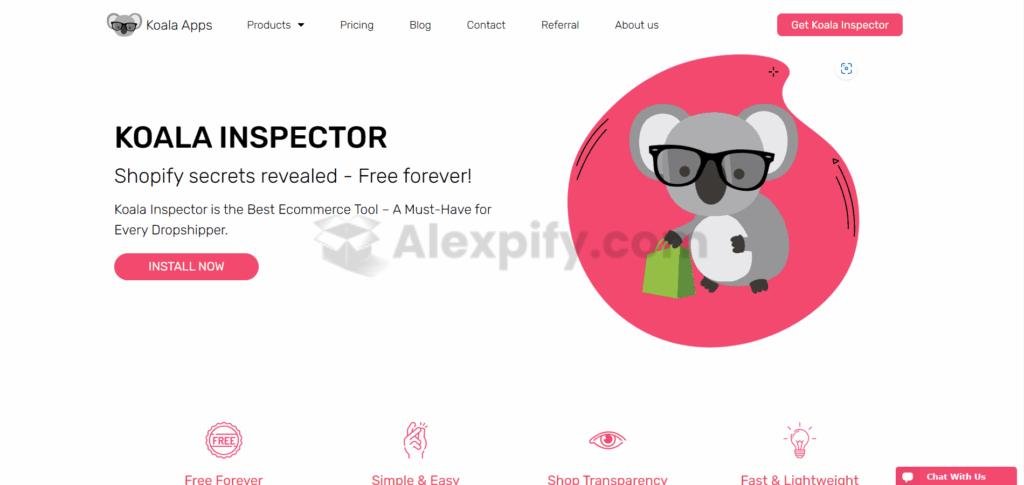
1. Koala Inspector: The All-in-One Browser Extension
Koala Inspector is a robust browser extension that I find incredibly useful for quick, on-the-fly analysis. It's lightweight and presents data in an organized manner, preventing information overload. It's particularly reliable for both newcomers and established stores.
Key Features:
- Live Sales & Revenue Checker: See how many sales a store has made, helping you gauge product performance when combined with traffic sources and ad campaigns.
- Shopify App & Theme Detector: Uncover the specific apps and themes a competitor is utilizing, offering insights into their operational and aesthetic strategies.
- Best Sellers & Product Stats: Identify top-performing products, along with details like publication date, pricing range, and total product count.
- Shop Traffic Analysis: Get a breakdown of traffic sources and geographical distribution, which can inform your own marketing efforts.
- Retailer Identification: While not always comprehensive, it can help dropshippers find potential suppliers for specific products.
Pricing: Koala Inspector offers a free plan with credit-based usage. Paid plans include Pro ($17/month) and Unlimited ($55/month), which remove these restrictions.
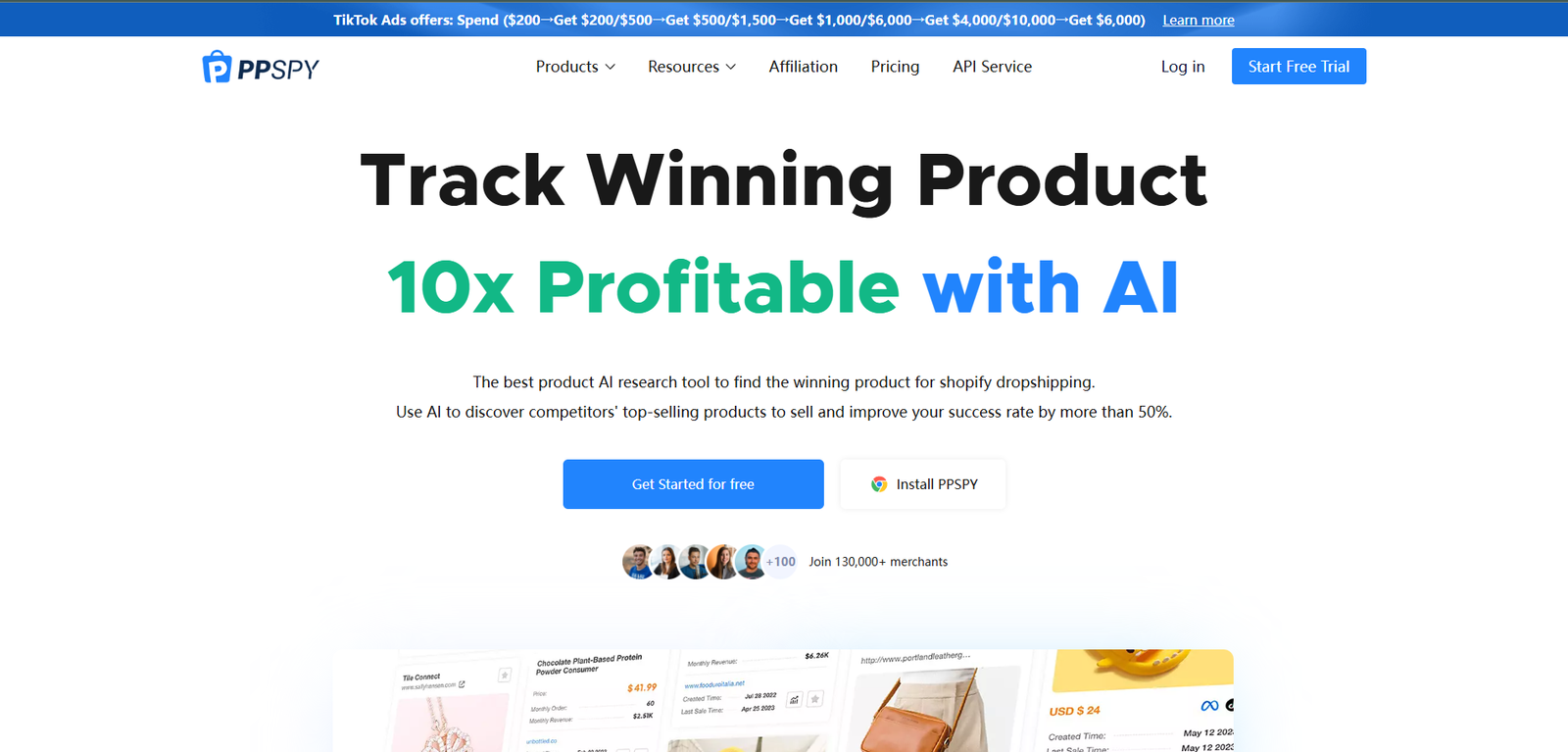
2. PPSPY: Deep Dive into Sales and Products
PPSPY (formerly Ali Hunter, and similar to Zopi, as noted in the original article's context for Ali Hunter) is another powerful browser extension that excels in providing detailed insights into a Shopify store's sales and product data.
Key Features:
- Website Catalog: View all products a Shopify store is selling.
- Best Sellers: Pinpoint the products generating the most sales for competitors.
- Recent Orders: Gain visibility into recent customer purchases, including order value.
- Facebook Ads Library Integration: Direct access to a store's Facebook Ads Library page, allowing you to see their active ad campaigns on Facebook and Instagram.
- Product Discovery & Market Research: Ideal for dropshippers, it helps identify promising products and research market trends based on keywords.
Pricing: PPSPY offers a free plan with limited order history visibility. Paid plans unlock more detailed records.
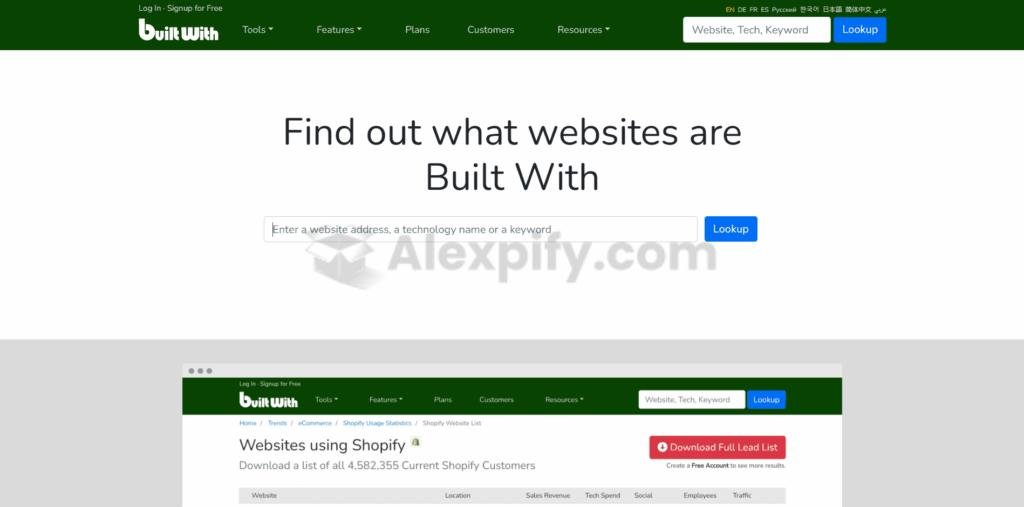
3. BuiltWith: Unmasking the Technology Stack
If you've ever wondered what apps, themes, or underlying technologies your competitors are using to run their Shopify stores, BuiltWith is your go-to tool. It profiles websites to reveal their entire technology stack.
Key Features:
- Installed Apps & Themes: Discover every Shopify app and theme a competitor has installed, shedding light on their operational strategies (e.g., abandoned cart recovery, upsells, review management).
- Mail Host & CDN: Identify their email marketing provider and Content Delivery Network, offering clues about their infrastructure and performance optimization.
- Tracking & Analytics: See which tools they use for website tracking and analytics, giving you insight into their data collection and measurement practices.
Pricing: BuiltWith offers a free browser extension for individual site lookups. Advanced features like sales intelligence and market analysis require paid plans: Basic ($295/month), Pro ($495/month), and Team ($995/month).
4. Sell The Trend: Product Research & Store Intelligence
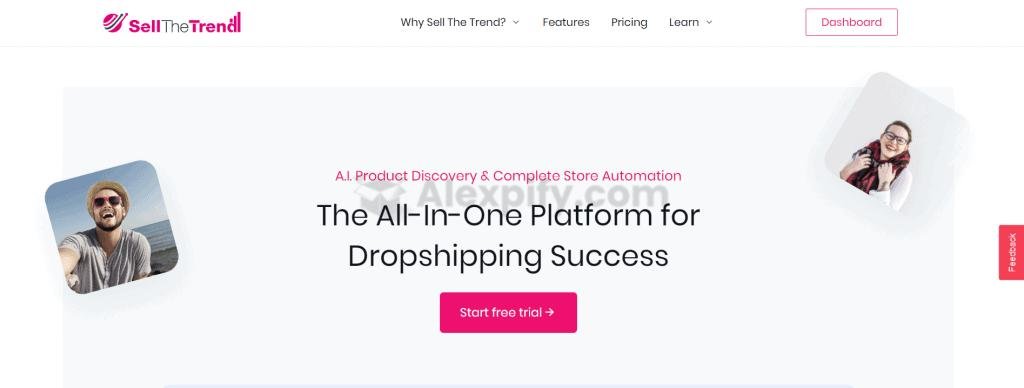
Sell The Trend is widely known for product identification, but its "Store Intelligence" feature is a hidden gem for competitor analysis. By simply inputting a Shopify store's URL, you can uncover a wealth of information.
Key Features:
- Monthly Traffic & Revenue: Get estimates for a store's monthly visitors and revenue, helping you assess their overall market penetration.
- Average Product Price & Orders: Understand their pricing strategy and average monthly order volume.
- Social Links & Tech Spend: Access their social media presence and an estimate of their monthly spending on apps and subscriptions.
- Tracking Used & Best Sellers: See the tools they use for user tracking and identify their top-selling products.
Pricing: Sell The Trend has three plans: Lite ($24.97), Essential ($39.97), and Pro ($99.97). Store Intelligence is available on the Essential and Pro plans.
5. Meta Ad Library: Uncovering Ad Creatives
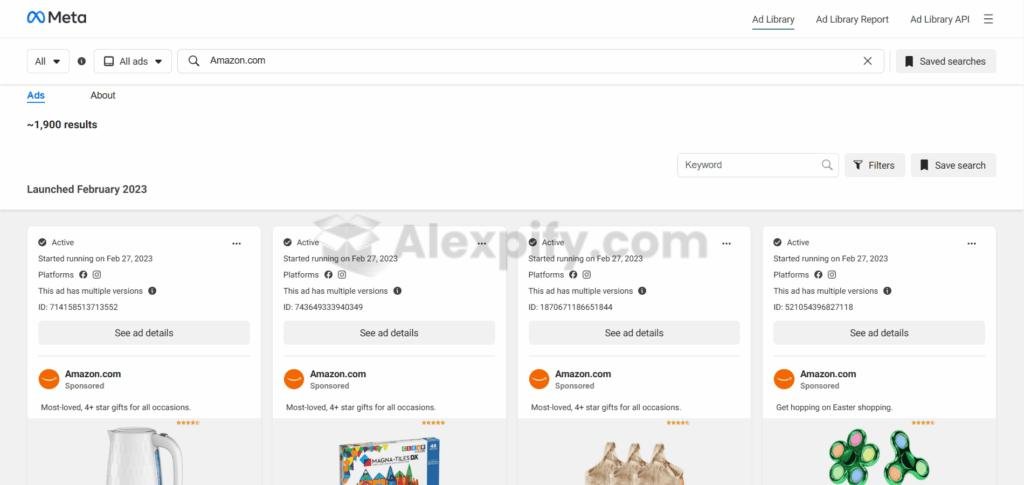
The Meta Ad Library, a free resource from Meta, is a goldmine for understanding competitor advertising strategies on Facebook and Instagram. It’s built for transparency but provides immense value for entrepreneurs.
Key Features:
- Ad Filters: Granular filtering by country, category, platform, media type, and language allows you to narrow down your search.
- Ad Details: View specific ad creatives, copy, active status, start dates, and platforms (Facebook or Instagram) an ad is running on.
- Ad Library Report & API: While primarily for social and political ads, the report can offer insights into ad spend by country. The API allows for integration with other software.
Pricing: The Meta Ad Library is entirely free to use, requiring no Facebook account.
6. Anstrex: A Suite of Spying Tools
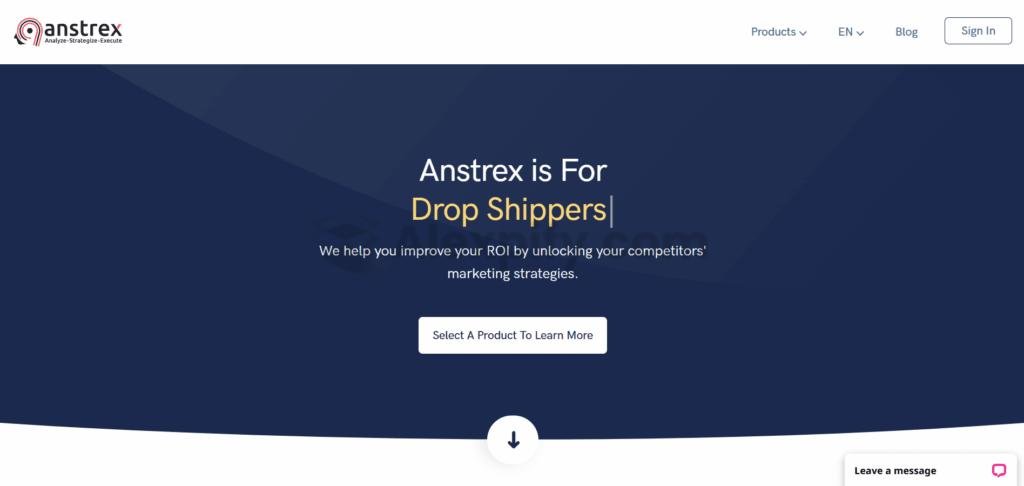
Anstrex offers a combination of tools, focusing on various aspects of ad and store spying. It's a comprehensive suite for those looking to replicate successful strategies.
Key Features:
- Anstrex Native & Push: Spy on native and push ads to identify well-performing campaigns.
- Anstrex Dropship: This tool is excellent for finding winning products, identifying suppliers, and even synchronizing stock levels.
- Retail Store Insights & Traffic Sources: Get insights into successful Shopify stores, including their traffic sources and monthly breakdowns.
- Automated Ordering & Inventory Management: Features designed to streamline dropshipping operations, including product import and stock level monitoring.
- Viral Product Identification: Identify trending products across social media platforms and spy on the stores promoting them.
Pricing: Anstrex Dropship has a free basic plan. The Standard plan is $29.99/month per store, and the Premium plan is $49.99/month per store.
7. BigSpy: Your Advertising Intelligence Hub
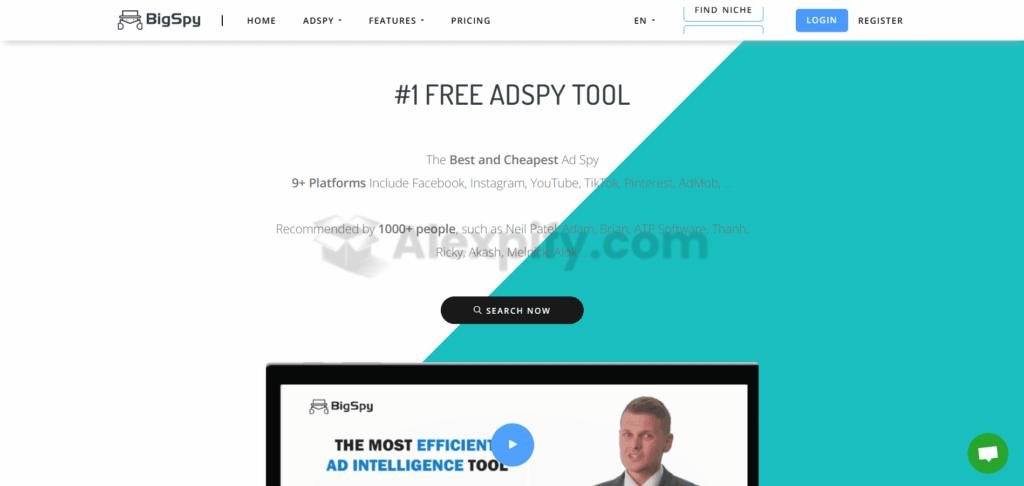
BigSpy is an excellent tool for dissecting competitor advertising strategies. It boasts an extensive database of ads from various platforms, updated daily.
Key Features:
- Facebook Pages Analysis: Search for specific Facebook pages and view stats like likes, ad count, popularity, and top visiting countries.
- Featured Ads: Identify top-performing ads curated daily by BigSpy's algorithm.
- Ad Tracking: Monitor the performance of specific ads over time.
- Powerful Filtering: Navigate its vast database with advanced filtering algorithms to find exactly what you need.
Pricing: BigSpy offers a limited free plan. The Basic plan is $9/month, and the Pro plan (highly recommended for serious ad spying) unlocks most features.
8. AdSpy: The Giant of Ad Spying
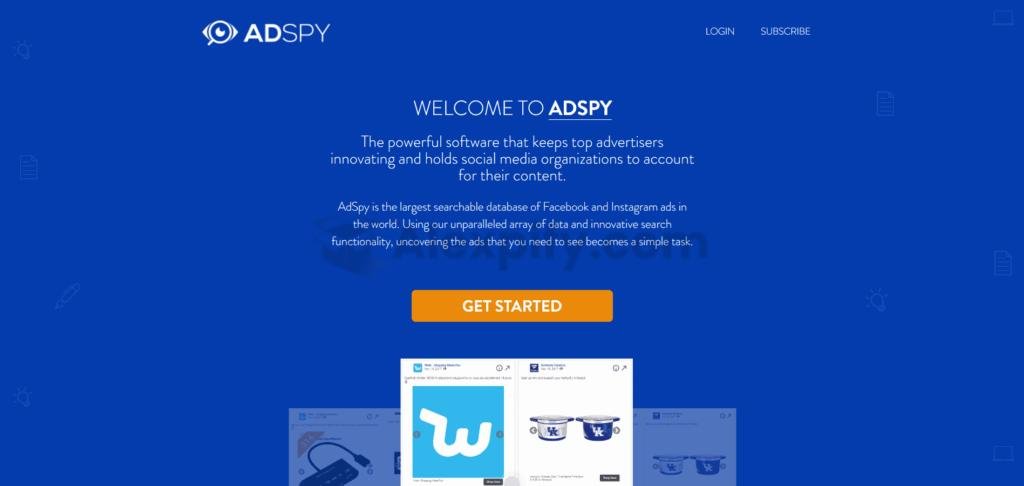
AdSpy prides itself on having one of the largest databases of Facebook and Instagram ads, extending to other platforms like Google. It’s a powerful tool for deep ad research.
Key Features:
- Enhanced Search: Utilize over 17 parameters to refine your ad searches, leading to highly granular results.
- Large Dataset: Access historical ad data dating back to 2016.
- Quick Results: Efficient algorithms quickly retrieve relevant data from its massive database.
Pricing: AdSpy costs $149/month and does not offer a free version. It includes full customer support and tailored advice on search queries.
9. ProfitBusters: Design Inspiration for Print-on-Demand
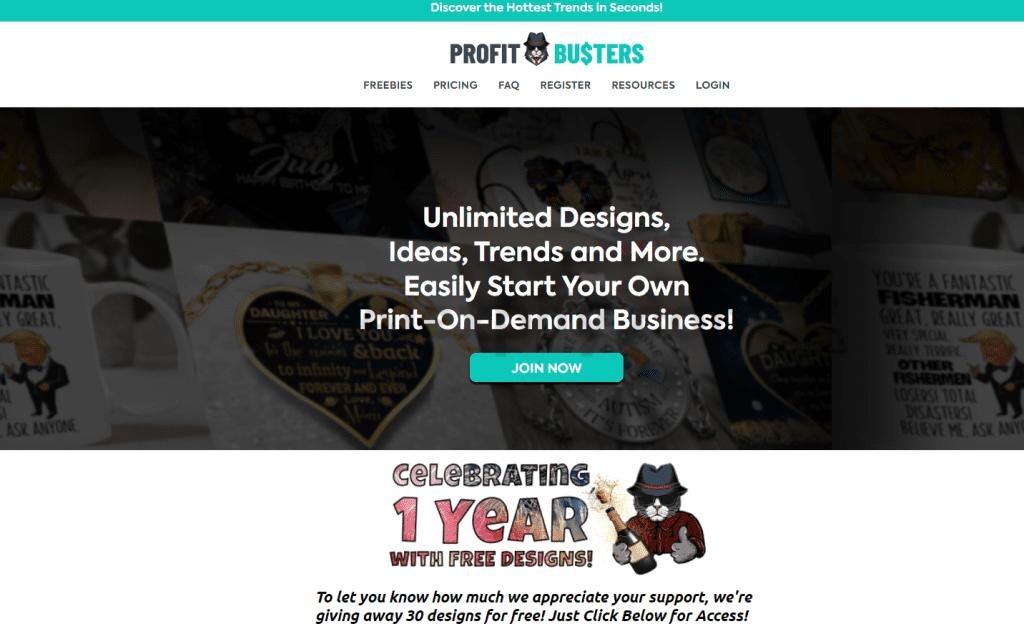
For those in the print-on-demand niche, ProfitBusters is an invaluable tool for identifying trending designs. It provides critical information to inspire your creative process.
Key Features:
- Targeting Suggestions for Facebook Ads: Get keyword recommendations for Facebook Ads to reach the right audience.
- Social Proof Metrics: View engagement metrics like shares, comments, and likes on social media, indicating product popularity.
- Design Research Links: Access resources that can aid your design research.
- Estimated Pricing: Gain insights into competitor pricing strategies.
Pricing: ProfitBusters offers a Basic plan at $15 and a Premium plan at $38.
10. Ahrefs: Your SEO Spyglass
Ahrefs is primarily an SEO tool, but its capabilities extend deeply into competitive analysis. For organic traffic generation, understanding your competitors' SEO strategies is paramount.
Key Features:
- Keyword Research: Discover relevant, rankable keywords to attract more traffic.
- Competitor SEO Analysis: Identify unique strategies, content ideas, and keywords your competitors use to outrank you.
- Site Audit: Detect SEO issues on your website, such as broken links, slow loading resources, and responsiveness.
- Link Building: Uncover opportunities to acquire high-quality backlinks, crucial for higher search rankings.
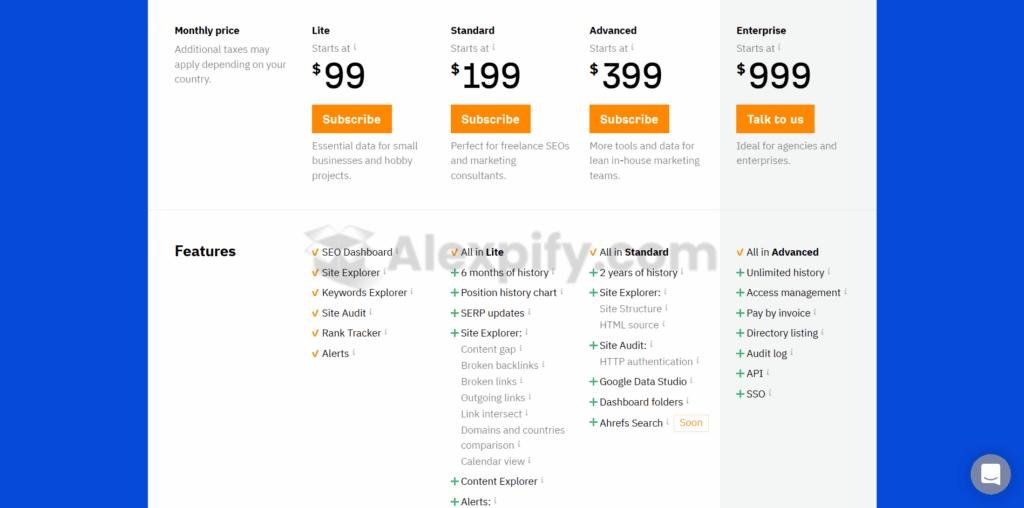
Pricing: Ahrefs offers four plans: Lite ($99), Standard ($199), Advanced ($399), and Enterprise ($999). Free Webmaster tools are available for monitoring your own site.
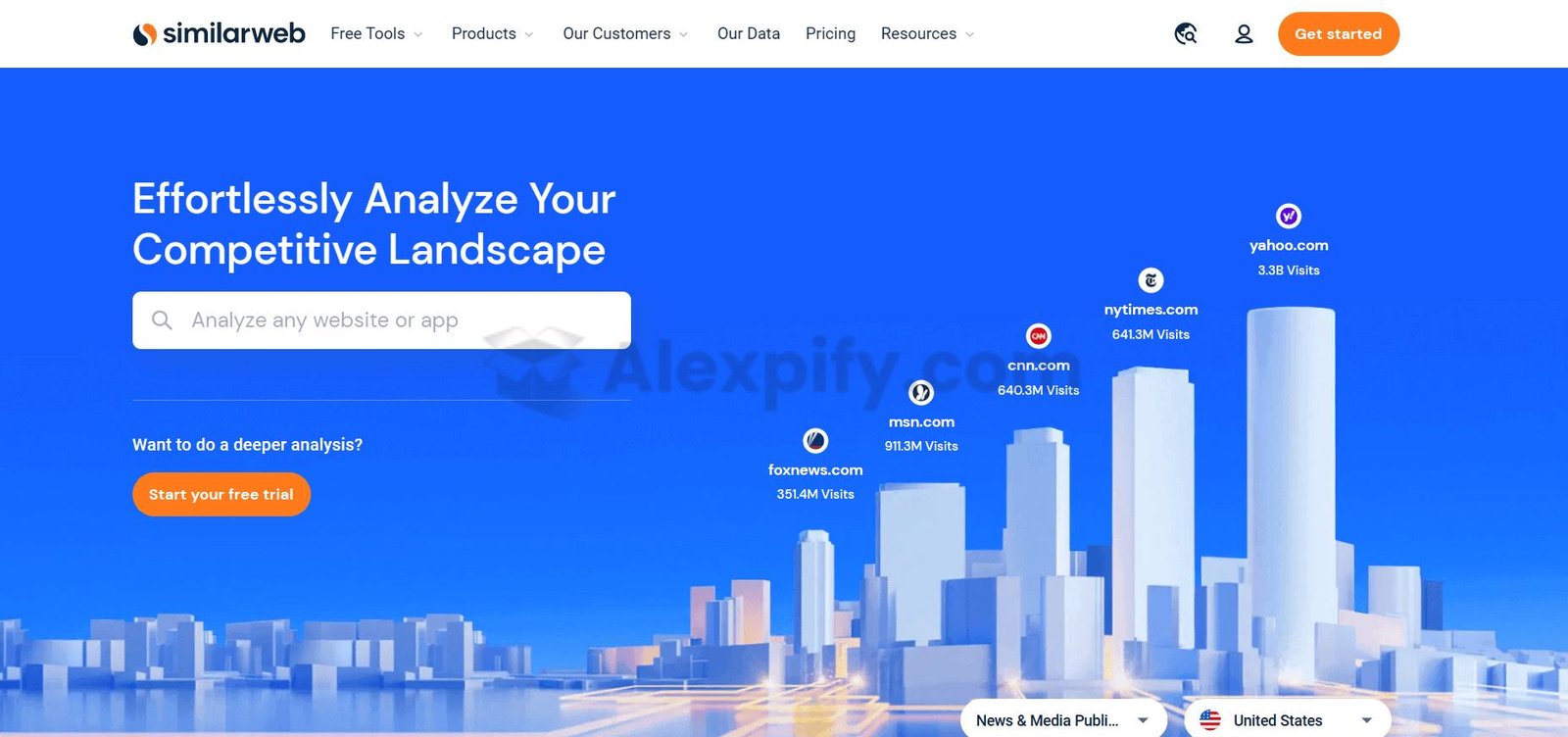
11. Similarweb: Traffic and Engagement Intelligence
Similarweb is a robust tool for traffic monitoring and general revenue estimation. It provides a comprehensive overview of how your competitors are acquiring and engaging their audience.
Key Features:
- Company Revenue & Monthly Visits: Get annual revenue estimates and a breakdown of monthly visitors over time.
- Bounce Rate & Country Traffic Breakdown: Understand visitor engagement and geographical distribution of traffic.
- Audience Demographics: Gain insights into the age distribution of visitors, which helps in targeted ad campaigns.
- Top Marketing Channels & Keywords: Identify the primary marketing channels competitors use and the keywords they rank for organically.
Pricing: Similarweb offers a free trial and various plans. A basic subscription can start from $167/month, with prices varying based on features needed. Their free Chrome Extension already provides a good amount of information.
Taking Action with Your Insights
Knowledge is power, but only if you act on it. Reading about these tools is a great start, but the real magic happens when you implement what you learn. Here’s a pragmatic approach to leveraging competitive intelligence:
- Define Your Objective First: Before even opening a tool, be crystal clear about what you want to achieve. Are you looking for product ideas, ad creatives, or tech stack insights?
- Select the Right Tool (or Combination): Based on your objective, choose the tool(s) that best align with your needs. Don't be afraid to try free versions or trials to test the waters.
- Conduct Targeted Research: Don't just browse aimlessly. Use the filtering and search capabilities of these tools to home in on specific competitors, products, or ad campaigns.
- Analyze and Synthesize: Collect the data, but more importantly, analyze it. What patterns do you see? What strategies are consistently working for your rivals?
- Develop Your Strategy: Use these insights to inform your own product development, marketing campaigns, pricing strategies, and store optimization efforts.
- Implement and Iterate: Launch your improved products or campaigns. Monitor their performance, and be prepared to iterate based on your own results and continued competitive analysis.
Conclusion
The world of e-commerce is a battleground, and competitive intelligence is your strategic advantage. These Shopify spy tools are not just fancy gadgets; they are essential instruments for any business operator looking to stay ahead. Remember, these tools are merely enablers; your critical thinking and strategic application of the gathered insights will ultimately drive your success. Get out there, start spying responsibly, and build a more robust, profitable Shopify store.
FAQ
Q: Are Shopify spy tools legal to use?
A: Yes, generally, Shopify spy tools are legal. They typically gather publicly available information, such as store data, ad creatives, and traffic estimates. These tools do not access private or protected data.
Q: Can I use these tools for free?
A: Many Shopify spy tools offer free versions or free trials, allowing you to test their basic functionalities. However, for more in-depth analysis and advanced features, you will likely need to subscribe to a paid plan.
Q: How accurate is the data provided by these spy tools?
A: The accuracy of data can vary between tools and the type of data being analyzed. Traffic and revenue estimates are often projections, while direct observations of apps, themes, and ad creatives are generally highly accurate. Always use multiple sources if possible to cross-reference critical data points.
Q: What's the most important metric to look for when spying on competitors?
A: There isn't a single "most important" metric; it depends on your objective. For product research, sales volume and trending products are key. For marketing, ad creatives, targeting, and traffic sources are crucial. For overall business health, revenue estimates and market share are important indicators.
Q: How often should I spy on my Shopify competitors?
A: The frequency depends on your niche and market dynamism. For fast-moving niches, weekly or bi-weekly checks might be necessary. For more stable markets, monthly or quarterly reviews could suffice. The goal is to stay informed without becoming obsessive.
Q: Can these tools help me find suppliers for dropshipping?
A: Yes, some tools like PPSPY and Anstrex Dropship are specifically designed to help dropshippers find products and identify suppliers, often integrating with platforms like AliExpress. They can streamline the sourcing process significantly.
Q: Are there any ethical considerations when using Shopify spy tools?
A: While legally permissible, the ethical use of these tools involves focusing on market research and competitive analysis rather than direct imitation or unethical practices. The aim is to learn and innovate, not to copy wholesale.

About us and this blog
Alexpify is a knowledge hub for entrepreneurs who want to master Shopify dropshipping and global e-commerce. Founded by Alex, the blog shares practical guides, real insights, and step-by-step tutorials that simplify online business for everyone — from beginners to full-time digital sellers.

More from my blog
See all posts