
Best Payment Gateways for Dropshipping Blueprint 2025
- October 11, 2025
- Payment gateway
Estimated reading time: 12 minutes
Key takeaways
- You need the right payment gateway mix to maximize conversions, minimize fees, and ensure operational stability for dropshipping.
- Options like Shopify Payments, PayPal, Stripe, Google Pay, Apple Pay, Amazon Pay, and crypto each have unique pros/cons to consider.
- Combine at least two payment gateways (e.g., Shopify Payments + PayPal) for flexibility and trust.
- Always check for geographic/currency support and dropshipping compatibility before deciding.
- Supplement with tools like Wise for international supplier payments and Juni.co for financial tracking as you scale.
Table of Contents
- Understanding Payment Gateways for Dropshipping
- The Top Payment Gateways for Dropshipping in 2025
- Best Payment Gateway Combinations for Dropshipping
- Crucial Considerations Before Choosing
- Conclusion
- FAQ
Introduction
As a seasoned business operator and consultant, I've seen countless dropshipping ventures succeed and fail. A critical factor often overlooked until it becomes a problem is the payment gateway strategy. It’s not just about accepting payments; it’s about optimizing conversions, managing cash flow, and mitigating risk. In this guide, I'll walk you through the best payment gateways for dropshipping in 2025, drawing on practical insights and the latest market data to help you make informed decisions.
Understanding Payment Gateways for Dropshipping
Payment gateways are the unseen engines of your e-commerce business. They authorize credit card payments and other electronic payments, ensuring that money moves securely from your customer’s account to yours. For dropshippers, selecting the right gateway is paramount because of the international nature of the business and the often higher-than-average chargeback rates associated with certain product categories.
When evaluating a payment gateway, I always consider a few key aspects:
- Geographic and Currency Support: Does it support the countries and currencies of your target audience? This is non-negotiable for international dropshipping.
- Dropshipping Policy: Some gateways are wary of dropshipping due to perceived higher risk. It's crucial to understand their stance.
- Transaction Fees: These can eat into your margins, especially at scale. Look for transparent pricing and understand domestic vs. international rates.
- Customer Service and Holds: Poor customer service can cripple your cash flow if funds are held without clear communication.
- Integration: How easily does it integrate with your chosen e-commerce platform (e.g., Shopify, WooCommerce)?
The Top Payment Gateways for Dropshipping in 2025
Based on my experience and current market trends, here are the payment gateways I recommend dropshippers consider:
1. Shopify Payments
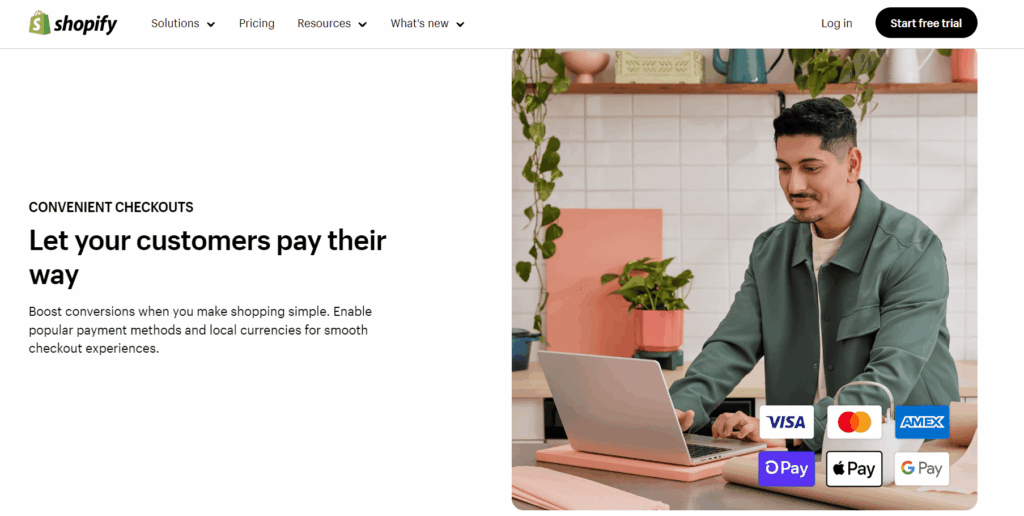
If you're running your dropshipping store on Shopify, Shopify Payments is often the most logical first choice. It's built right into the platform, making setup incredibly simple—just a few clicks. The primary advantage here is the seamless integration and the elimination of extra transaction fees that Shopify typically charges when you use a third-party gateway.
Pros:
- Effortless Setup: Completely integrated with Shopify, making it incredibly easy to activate.
- No Additional Transaction Fees: If enabled, it removes Shopify's 2% transaction fee for other payment gateways.
- Accepts Major Credit Cards: Supports all widely used credit cards.
- Fast Payouts: Typically, payouts occur every 3 business days.
- Shop Pay Integration: Activates Shop Pay, streamlining checkout for returning customers.
Cons:
- Chargeback Fees: Shopify Payments deducts $15 for each chargeback, though you get it back if you win the dispute. Services like Chargeflow [https://chargeflow.io/] can assist in fighting these.
- Limited Availability: Only available in certain countries and for specific business types.
- Shopify-Exclusive: You can only use it if your store is on Shopify.
Pricing: Credit card rates range from 2.9% + 30¢ for the Basic Shopify plan to 2.4% + 30¢ for the Advanced Shopify plan.
2. PayPal
PayPal is a household name and arguably the most popular payment gateway globally, inspiring significant trust among consumers. While it has its quirks, its widespread recognition can be a huge asset for your dropshipping store, especially when targeting a broad international audience.

Pros:
- Global Trust and Recognition: Very well-known and trusted in over 200 countries, supporting 25 currencies.
- No Startup or Monthly Fees: You only pay per transaction.
- Accepts Major Credit Cards: Offers flexibility for customers.
Cons:
- Customer Service Issues: I’ve heard many "horror stories" about accounts being put on hold, sometimes for extended periods, with difficult-to-reach customer support. Proactive measures, like using an order syncing app such as Proveway, can help mitigate money holds.
- High International Fees: Currency conversion fees (e.g., 3.5-4% for USD to EUR) and international transaction fees (4.4% + fixed fee outside the US) can be significant.
Pricing: For US domestic transactions, it's 2.9% + 30¢. International transactions typically incur higher fees.
3. Stripe
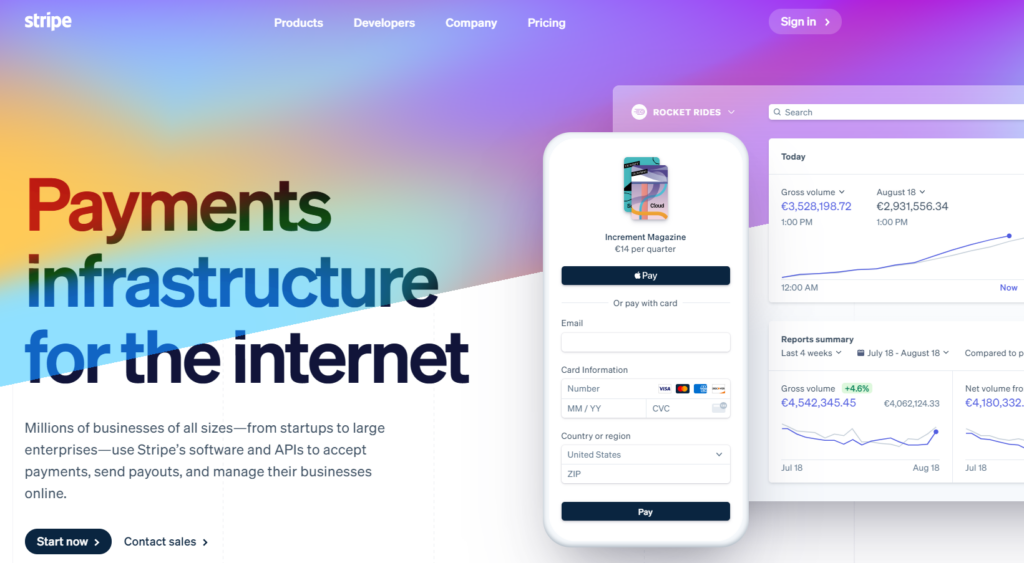
Stripe is a strong alternative to PayPal, offering robust features and flexibility. It's particularly popular among developers due to its customizable API and extensive integrations. Stripe actually powers Shopify Payments in the background.
Pros:
- Modern and Flexible: Offers a clean user interface and high customization options.
- Extensive Currency Support: Supports over 135 currencies.
- Fraud Protection: Features machine-learning-based fraud protection [https://statrys.com/blog/ecommerce-payment-gateways].
- Transparent Pricing: Clear fee structure.
Cons:
- Technical Knowledge: Customizing Stripe might require some programming knowledge.
- Limited Merchant Account Countries: While it supports many currencies, merchant accounts can only be created in a limited number of countries (currently 40+ countries [https://dropship.it/article/best-payment-gateway-for-shopify/]).
- Transaction and Payout Speed: Can sometimes be slower than competitors.
Pricing: Similar to PayPal, with international payments incurring 2.9% + €0.25 and an additional 2% for currency conversion. Typical fees are 2.9% + $0.30 per transaction, with a 1% fee for international cards [https://statrys.com/blog/ecommerce-payment-gateways].
4. Amazon Pay
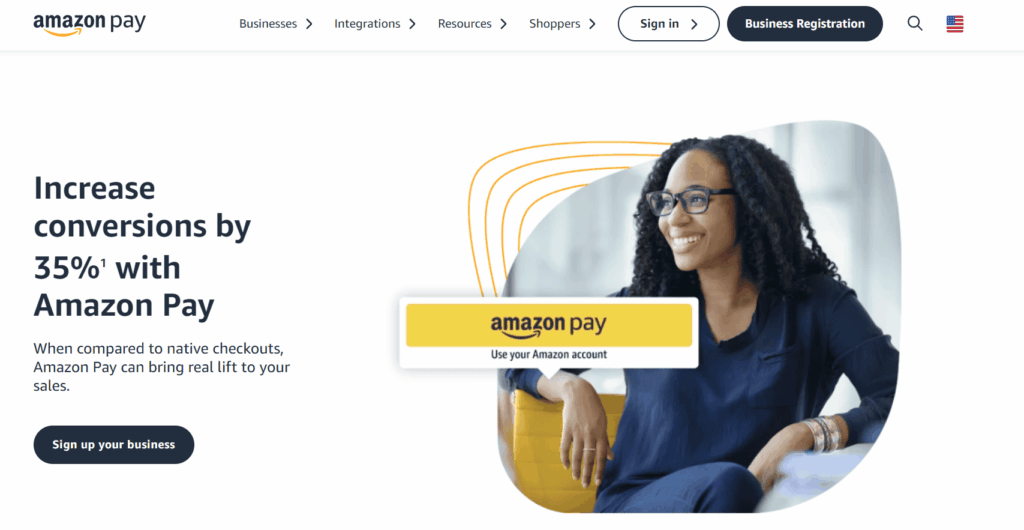
Leveraging the immense trust and user base of Amazon, Amazon Pay allows customers to check out using their existing Amazon account information. This can significantly reduce friction at checkout, especially for the 112 million+ Amazon Prime users in the US alone.
Pros:
- High Trust Factor: Customers familiar with Amazon will trust this payment method.
- Convenient Checkout: Customers use pre-saved Amazon payment information.
- Excellent Fraud Protection: Benefits from Amazon's robust security systems.
Cons:
- Similar Fees to PayPal: Not the cheapest option, with transaction fees comparable to PayPal.
- Setup Complexity: Requires programming knowledge unless integrated via platforms like Shopify Payments.
- Potential Extra Fees: May incur domestic and cross-border processing fees.
Pricing: For US domestic transactions, 2.9% + $0.30. Cross-border transactions are 3.9% + $0.30.
5. Google Pay
Google Pay offers a fast, convenient, and secure payment experience, especially for Android users and those with Google accounts. It’s a valuable addition for its speed and security features.

Pros:
- Fast and Convenient: Quick transactions with saved payment information.
- Strong Security: Utilizes industry-leading security technologies.
- Loyalty Programs: Offers loyalty programs, rewards, and cashback.
- Free Bank Transfers: Bank transfer and debit card transactions are typically free.
Cons:
- Limited Features in Some Regions/Phones: Features might vary depending on the country or device.
- User Adoption: While rising, the number of users is still relatively lower than other established methods.
Pricing: Bank transfers and debit card transactions are free. Credit card or PayPal transactions through Google Pay will incur a 2.9% fee from the card issuer or PayPal.
6. Apple Pay
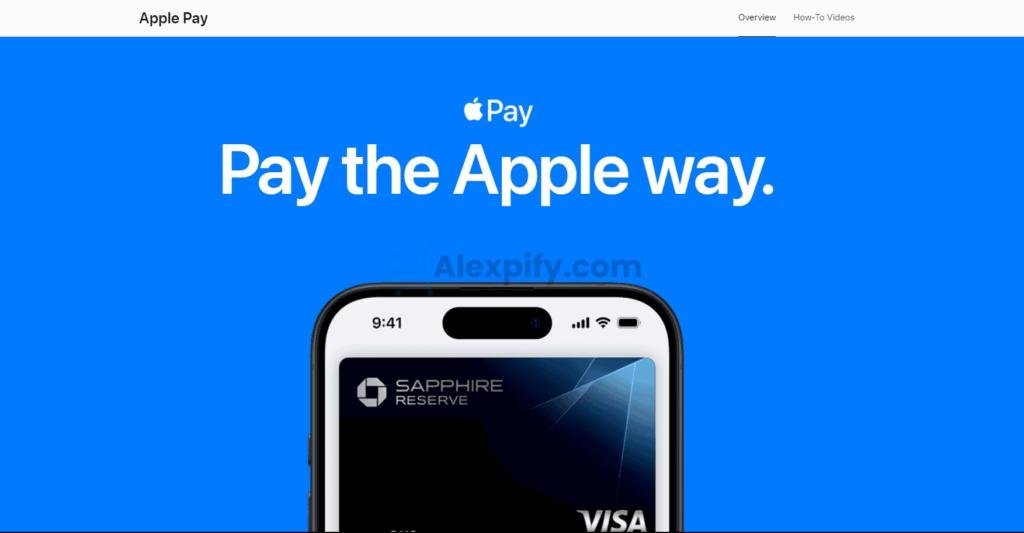
Similar to Google Pay, Apple Pay targets the vast ecosystem of Apple users, providing a seamless and secure mobile payment experience. It’s particularly dominant in mobile wallet transactions.
Pros:
- Secure and Easy Payments: One-touch payments with Touch ID/Face ID.
- No Account Creation Needed: Customers can pay without lengthy forms or creating new accounts.
- User-Friendly Interface: Beautiful and simple design.
- Integrated with Shopify Payments: Easy for Shopify store owners.
Cons:
- Apple-Exclusive: Only available to Apple product users.
Pricing: Apple Pay itself does not charge a fee on top of the credit card issuer's fee, which is typically the industry average of 2.9%.
7. Crypto Payments
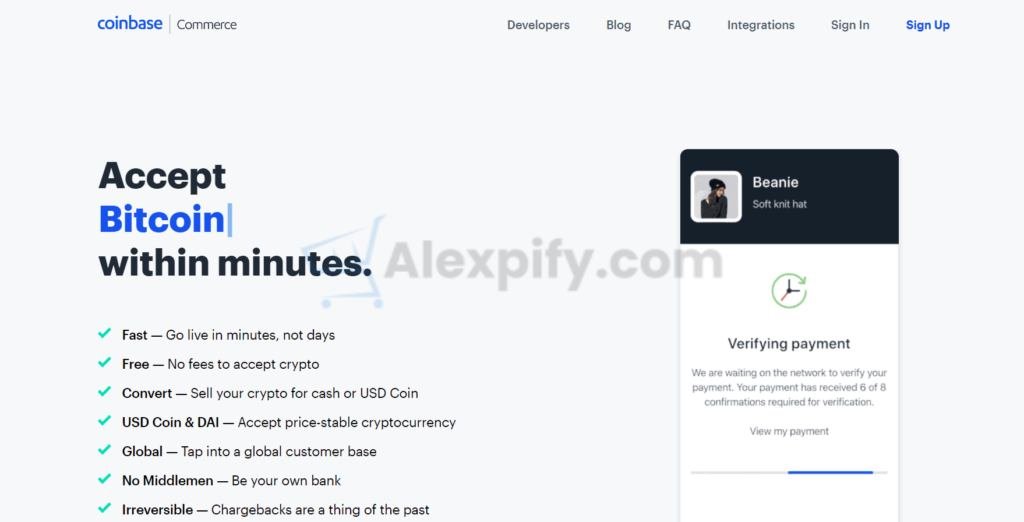
Embracing the future of finance, accepting cryptocurrency payments can open your store to a new demographic of tech-savvy buyers. Gateways like Coinbase Commerce, CoinPayments, and BitPay are making this increasingly accessible.
Pros:
- Future-Proof: Taps into a growing market of cryptocurrency users.
- Lower Fees: Often lower transaction fees compared to traditional methods.
- Global Reach: Not bound by traditional banking systems.
Cons:
- Volatility: The value of cryptocurrencies can fluctuate significantly.
- Limited Adoption: Still a niche payment method compared to credit cards or PayPal.
- Complexity: Might require some understanding of cryptocurrency for both merchants and customers.
Pricing: Varies by platform, but generally competitive.
Bonus #1: Wise (Formerly TransferWise)
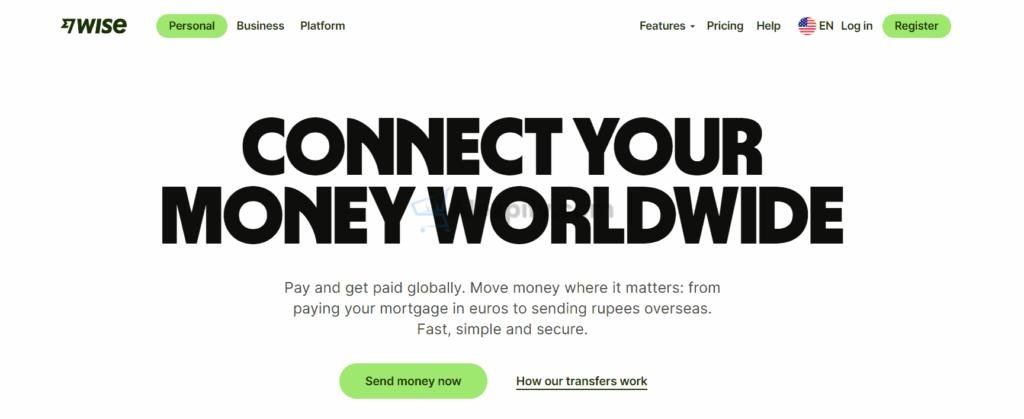
While not a payment gateway for customer transactions, Wise is invaluable for dropshippers who make frequent international payments to suppliers. It specializes in cheap and fast international money transfers, claiming to be significantly cheaper than PayPal.
Pros:
- Cost-Effective International Transfers: Offers real exchange rates, potentially saving a lot on currency conversion.
- Speed: Payments often arrive in seconds.
- Transparent Pricing: Clear fee structure.
- Multi-Currency Accounts: Supports over 50 currencies.
Cons:
- Not a Customer-Facing Payment Gateway: Solely for business-to-business payments or personal transfers.
- Limited Features: Focuses primarily on transfers, without additional payment gateway functionalities like recurring billing.
Pricing: Transaction fees vary but are generally lower than traditional banks or PayPal for international transfers.
Bonus #2: Juni.co
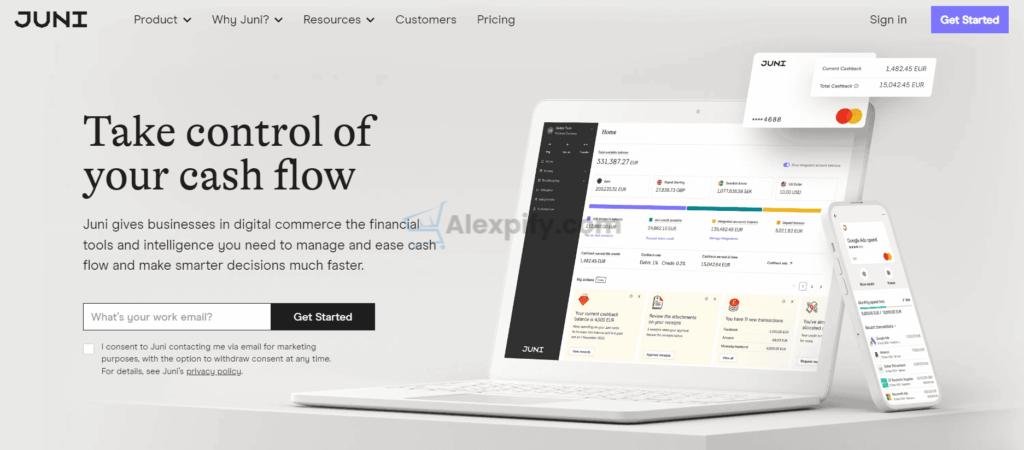
Juni is a fintech solution designed specifically for digital entrepreneurs in the UK, Europe, and Norway. It's not a payment gateway itself but a financial management tool that integrates with your ad networks, payment gateways (like PayPal and Stripe), and bank accounts. This provides a unified dashboard to track ROI and improve cash flow across all your business activities.
Pros:
- Centralized Financial Overview: Connects various accounts for a holistic view of your finances.
- Cashback on Spending: Offers up to 1% cashback on eligible card spending.
- Virtual Cards: Generate unlimited virtual cards in GBP, USD, and EUR.
- Business Savings: Provides discounts on popular e-commerce tools.
- Free Core Services: Sign-up, insights, IBAN accounts, and virtual cards are free.
Cons:
- Geographic Limitations: Currently focused on the UK, Europe, and Norway.
- FX Fees: Account transfer FX fees can be up to 0.25%.
Best Payment Gateway Combinations for Dropshipping
In the world of dropshipping, offering just one payment method is rarely enough, especially for international sales. Combining gateways provides flexibility and can significantly boost your conversion rates.
1. Shopify Payments and PayPal
This is often my top recommendation for Shopify store owners. Shopify Payments handles direct credit card transactions smoothly, while PayPal covers a massive global audience who prefer or trust PayPal. This combination offers customers a choice, reduces cart abandonment, and projects a professional image.
2. Stripe and PayPal
For those not on Shopify, or seeking more customization, the Stripe and PayPal combination is excellent. Stripe's flexibility and global reach complement PayPal's universal trust. Stripe is known for its ease of use and flexibility [https://www.salehoo.com/learn/payment-gateways-for-dropshipping]. This duo allows you to cater to a broad customer base and offers powerful integration options.
3. PayPal, Google Pay, and Apple Pay
This trio covers all the bases for mobile-first shoppers and a general audience. PayPal addresses the traditional online buyer, while Google Pay and Apple Pay provide seamless one-touch experiences for Android and Apple users, respectively. This combination can significantly reduce friction for mobile purchases, which are becoming increasingly prevalent.
Crucial Considerations Before Choosing
Before you finalize your payment gateway strategy, pause and consider these points:
Does it work with the country and currency of your target audience?
This is paramount. Always research the most popular payment methods in your target countries. For example, in Germany, Klarna is very popular, and integrating it could significantly boost conversions in that market. A payment gateway's geographical reach and currency support are critical for cross-border dropshipping [https://statrys.com/blog/ecommerce-payment-gateways].
Does it support dropshipping?
Some payment gateways may classify dropshipping as a "high-risk" business due to potential chargebacks. While most don't explicitly ban dropshippers, they may have restrictions on certain product groups. The key is to maintain excellent customer service and keep your chargeback rates low to avoid issues.
What are the transaction fees?
When you're scaling, every percentage point matters. Transaction fees can range from free under specific conditions to as high as 4.9%. Always compare domestic and international rates, fixed fees, and any additional surcharges.
How is the customer service?
Reliable customer service is crucial. Imagine your funds being held, and you can't get a clear answer or resolution. This can halt your cash flow and advertisements. Choose gateways known for responsive and effective support.
Conclusion
Choosing the right payment gateways for your dropshipping business is a strategic decision that impacts everything from conversion rates to financial stability. While the specifics can be daunting, my advice is this: prioritize your customer's convenience. Offering their preferred payment methods will almost always lead to higher sales, outweighing minor differences in transaction fees, especially when you're starting out. Start by identifying your target countries and their popular payment methods, then build a combination that maximizes coverage and trust.
FAQ
Q1: What are the absolute best payment gateways for a new dropshipping store?
A1: For new dropshippers, I recommend starting with a combination of Shopify Payments (if on Shopify) or Stripe, alongside PayPal. These are widely recognized, offer broad currency support, and integrate well with most e-commerce platforms, providing a solid foundation for accepting payments.
Q2: How important are transaction fees for dropshippers?
A2: Transaction fees are crucial, especially as your volume grows. An extra percentage point can significantly impact your profit margins. While customer convenience is key, it's wise to understand and compare fees, including domestic, international, and currency conversion costs, to optimize your financial efficiency.
Q3: Can dropshipping lead to my payment gateway account being held or shut down?
A3: Yes, some payment gateways may flag dropshipping businesses as "high-risk" due to the potential for higher chargeback rates. To mitigate this, focus on excellent customer service, clear communication, and efficient order fulfillment to keep chargebacks low.
Q4: Should I offer crypto payments for my dropshipping store?
A4: Offering crypto payments can appeal to a tech-savvy niche and may come with lower transaction fees. However, it's essential to consider the volatility of cryptocurrencies and the current adoption rate among your target audience. It's a strategic choice for diversification rather than a primary payment method for most.
Q5: What's the role of tools like Wise and Juni.co for dropshippers?
A5: Wise (formerly TransferWise) is excellent for managing international supplier payments, offering cheaper and faster currency exchanges. Juni.co is a financial management platform for digital entrepreneurs that consolidates your ad spend, payment gateways, and bank accounts, helping you track ROI and manage cash flow efficiently. These tools support the operational backend rather than customer-facing payments.
Q6: How many payment gateways should I offer?
A6: I generally advise offering at least two to three payment gateways. This provides flexibility for your customers, caters to different preferences (e.g., credit card, PayPal, mobile wallets), and can significantly reduce cart abandonment by ensuring customers can use their preferred method.

About us and this blog
Alexpify is a knowledge hub for entrepreneurs who want to master Shopify dropshipping and global e-commerce. Founded by Alex, the blog shares practical guides, real insights, and step-by-step tutorials that simplify online business for everyone — from beginners to full-time digital sellers.

More from my blog
See all posts