

How to Accept Bitcoin-and Other Crypto Payments on Shopify
- October 11, 2025
- Payment gateway
Estimated reading time: 10 minutes
Key Takeaways
- Integrating Bitcoin and other crypto payments is strategic for reaching new customers and future-proofing your Shopify store.
- Top recommended gateways: Coinbase Commerce, BitPay, and CoinPayments.
- Setup typically involves creating a provider account, generating an API key, and connecting it in Shopify's payment settings under "Alternative Payment Methods".
- Crypto payment gateways generally have lower fees than traditional options. Some offer auto-conversion to fiat to avoid volatility risk.
- Accepting crypto can enhance your brand image as innovative, attract international customers, and align your store with major corporate trends.
From my vantage point as a business operator who’s navigated the dynamic currents of e-commerce, I can tell you that staying ahead means not just observing trends, but actively shaping your operations to meet them. The burgeoning world of cryptocurrency payments is a prime example. Integrating Bitcoin and other digital assets into your Shopify store isn't merely about adopting a novelty; it’s about strategically positioning your business for a future where digital currencies play an increasingly significant role in consumer transactions. This shift taps into a distinct customer base that values transaction speed, enhanced privacy, and greater control over their funds.
In this guide, I’ll walk you through the practical steps and considerations for accepting crypto payments on Shopify, leveraging reliable providers such as Coinbase Commerce, BitPay, and CoinPayments. It's a more straightforward process than many assume, and it could genuinely unlock a new demographic of buyers for your store.
To integrate Bitcoin and other crypto payments on Shopify, the fundamental process involves selecting and setting up a crypto payment gateway. This typically means creating an account with your chosen provider, generating an API key or token, and then linking it within your Shopify administrative panel under "Settings" → "Payments" → "Alternative Payment Methods." This connection enables your customers to seamlessly use cryptocurrencies at checkout.
Why Your Shopify Store Should Consider Accepting Crypto Payments
While the inherent volatility of cryptocurrencies presents a unique set of risks—imagine receiving $100 in Bitcoin only for its USD value to dip to $90 by day's end—the advantages are compelling enough that a growing number of merchants are embracing them. Let's delve into why incorporating crypto payments could be a strategic move for your online business.

1. Cryptocurrencies Offer Potential for Value Appreciation
Some merchants, rather than viewing crypto volatility solely as a risk, see it as an investment opportunity. They anticipate that the value of cryptocurrencies, especially established ones like Bitcoin, will appreciate over time. Historically, this perspective has often been validated. Bitcoin, for instance, has demonstrated significant long-term growth despite notable price fluctuations. While past performance is never a guarantee of future returns, the sustained interest and adoption suggest a potential upside for those willing to hold these digital assets.
2. Benefit from Lower Transaction Fees
One of the most attractive propositions of crypto payment gateways is their significantly lower transaction fees compared to traditional payment processors. Standard industry fees often hover around 2.9% plus 30 cents per transaction. When your store scales, these costs can accumulate substantially. Crypto payment gateways, on the other hand, frequently offer transaction fees below 1%. Some even advertise 0% transaction fees for accepting crypto, though they might apply a small fee upon withdrawal of funds, typically between $1 and $5 for Bitcoin and even less for other cryptocurrencies, depending on network conditions see more. This reduction in overhead can directly impact your profit margins.
3. Attract a New Segment of Buyers
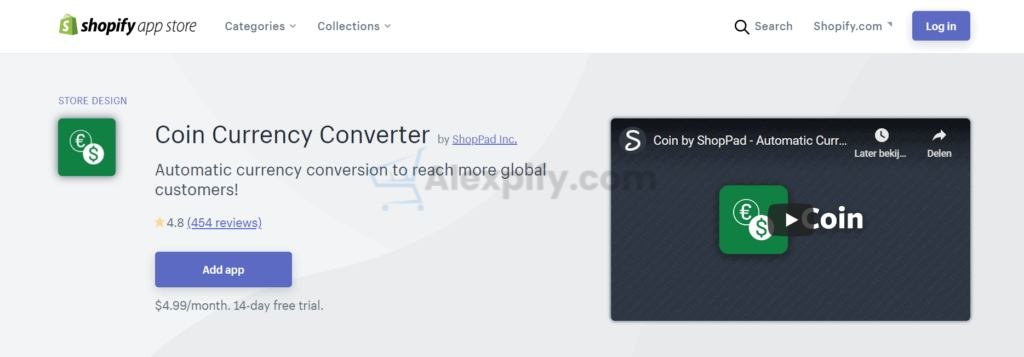
A dedicated segment of consumers prefers to transact with cryptocurrencies for various reasons, including lower costs, faster processing times, enhanced security, and greater control over their finances. By offering crypto as a payment option, you can tap into this specific market. To further cater to these buyers, consider implementing an automatic currency converter app, like Coin, which supports displaying prices in Bitcoin, Ethereum, and Litecoin directly on your Shopify store. This not only improves the shopping experience for crypto holders but also signals your store's forward-thinking approach. It's challenging to quantify how many sales might otherwise be lost if crypto payments weren't available, but providing this option undoubtedly removes a potential barrier for a growing demographic.
4. Position Your Store as Innovative
Even if crypto payments account for a small percentage of your total sales, the mere availability of this option can significantly enhance your brand's image. It signals innovation and an understanding of modern financial trends, which can resonate positively with younger, tech-savvy demographics, particularly millennials. Stores like Jomashop, for example, have successfully integrated crypto payments, demonstrating a commitment to embracing future-forward payment solutions. This innovative stance can differentiate your store in a crowded e-commerce landscape.
5. Align with Mainstream Corporate Adoption
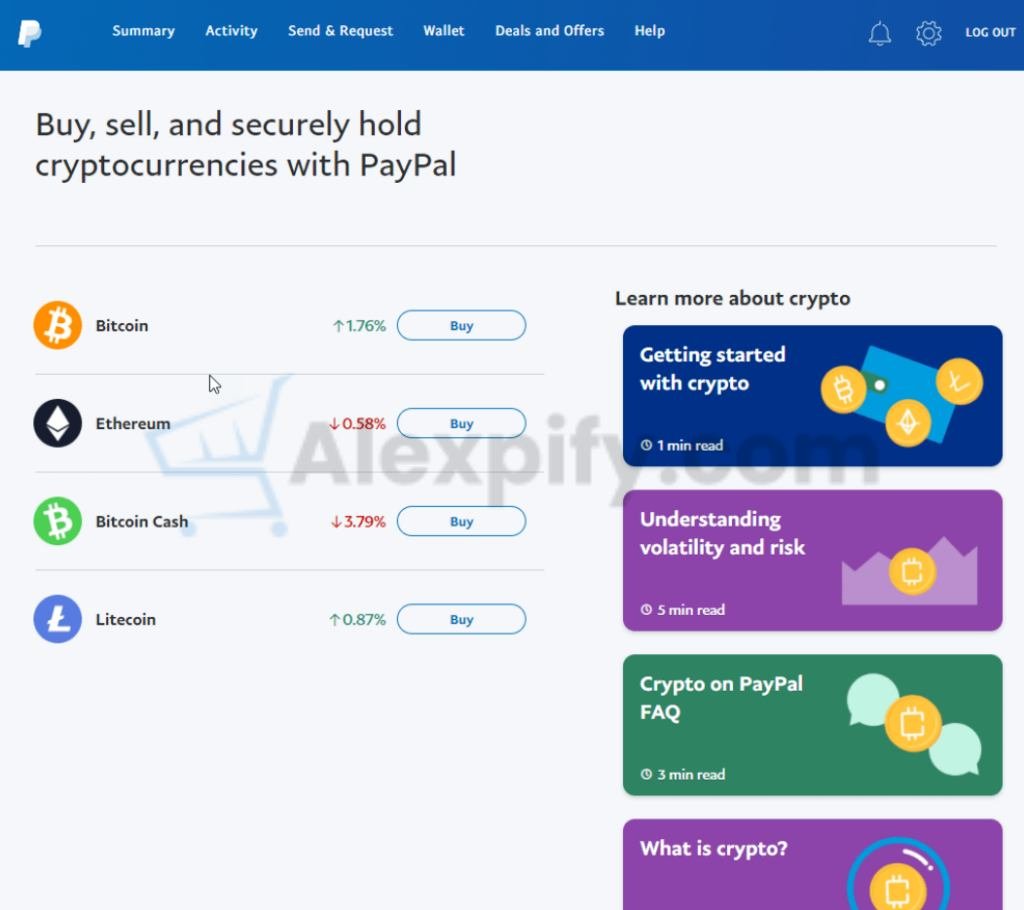
The past few years have seen a noticeable shift in how major corporations view cryptocurrencies. Companies suchs as Microsoft, PayPal, and Square have not only recognized but also actively integrated cryptocurrencies into their operations. Microsoft began accepting Bitcoin payments as early as 2014. More recently, Square invested a significant portion of its assets into Bitcoin, and PayPal enabled its users to buy, sell, and hold various virtual currencies directly through their accounts. This mainstream corporate adoption lends significant credibility to cryptocurrencies as a legitimate payment method and underscores the importance for smaller businesses to consider following suit.
Selecting a Crypto Payment Gateway for Your Shopify Store
If you're ready to embrace cryptocurrency payments, the next step is choosing the right payment gateway. I've evaluated three leading options that integrate well with Shopify, each with its unique strengths.
1. Coinbase Commerce
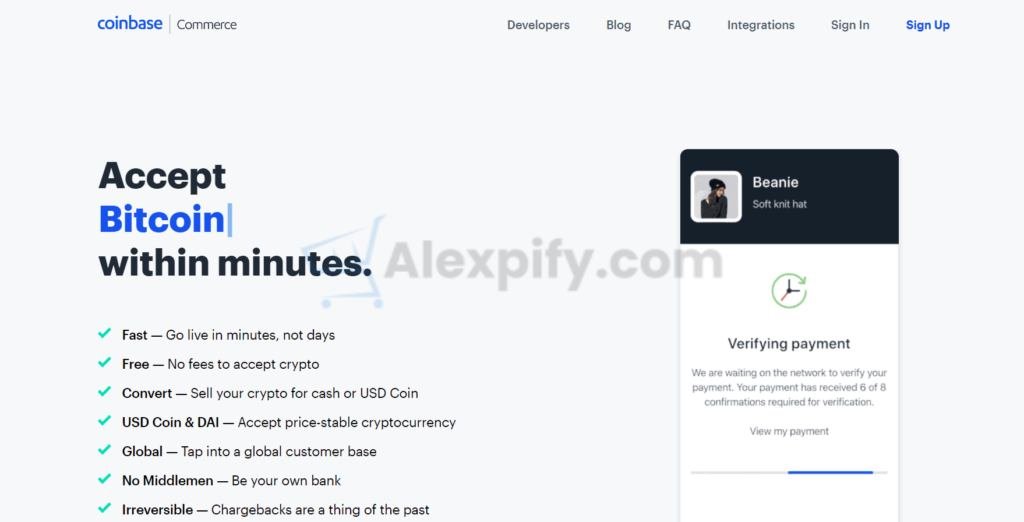
Coinbase Commerce is a robust platform that allows merchants to accept a range of cryptocurrencies in a decentralized manner. One of its standout features is that it typically charges no fees for accepting crypto payments directly.
Key Features and Benefits:
- Decentralized Control: You maintain full control over the payments you receive.
- No Acceptance Fees: While there are no direct fees for accepting crypto, network-dependent withdrawal fees apply, usually between $1-$5 for Bitcoin and under $1 for other altcoins.
- Supported Cryptocurrencies: Bitcoin, Bitcoin Cash, DAI, Ethereum, Litecoin, and USD Coin.
- No Chargebacks: This offers a significant advantage over traditional payment methods that are susceptible to chargebacks.
Integration with Shopify:
Integrating Coinbase Commerce is straightforward. You'll need to create an account on their platform, generate an API key, and then input this key into your Shopify payment settings. Coinbase Commerce provides a comprehensive guide for Shopify integration. If you’re using other platforms like WooCommerce, they also offer specific integration instructions.
2. CoinPayments
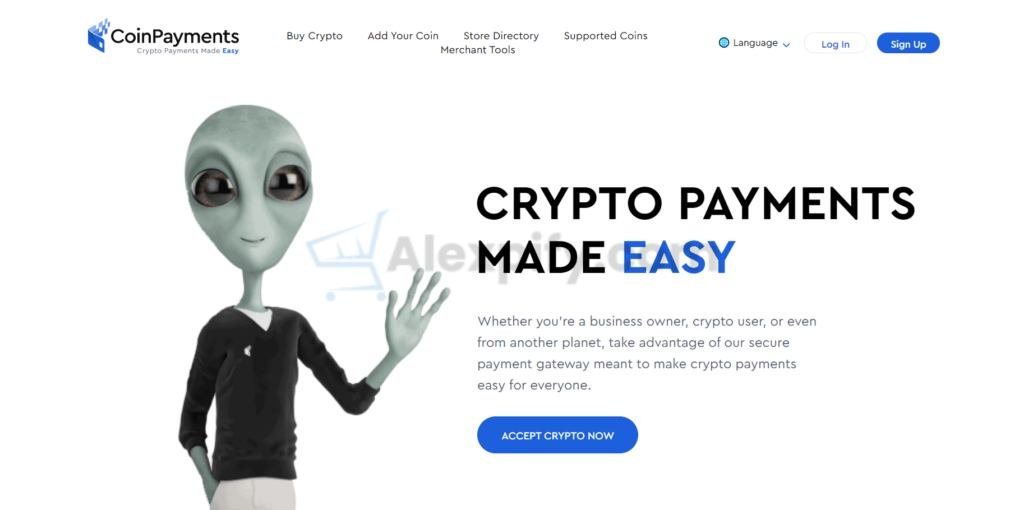
For merchants who prioritize offering a vast array of cryptocurrency options, CoinPayments stands out. This gateway enables your customers to pay using over 100 different cryptocurrencies.
Key Features and Benefits:
- Extensive Crypto Support: Offers one of the broadest selections, supporting more than 100 cryptocurrencies.
- Competitive Transaction Fees: Charges an affordable transaction fee of 0.5%.
- Auto Coin Conversion: Features an option to automatically convert received payments into a stablecoin (like Tether or USD Coin) to mitigate volatility risks.
- Established Provider: As a leader in cryptocurrency payments since 2013, CoinPayments has processed over $8 billion in transactions for more than 60,000 merchants across 180+ countries.

Integration with Shopify:
Similar to Coinbase Commerce, integrating CoinPayments involves creating an account, generating API keys, and then configuring these within your Shopify payment settings. CoinPayments provides detailed, step-by-step instructions on their website to facilitate this process.
3. BitPay
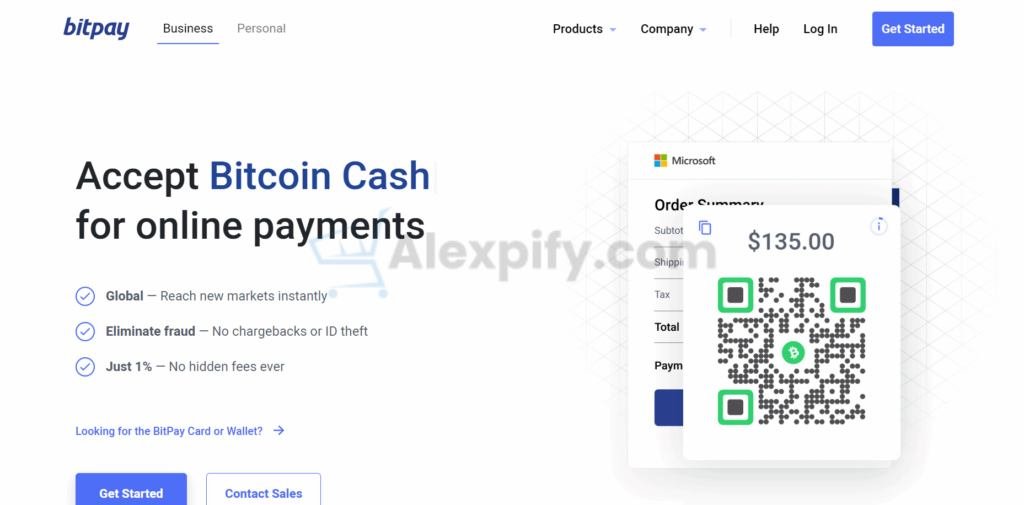
BitPay is an excellent choice for businesses that prefer receiving payments in fiat currency while still offering crypto payment options to customers. Its unique selling proposition is the automatic conversion of crypto payments into your chosen fiat currency, which is then directly deposited into your bank account.
Key Features and Benefits:
- Automatic Fiat Conversion: Payments are instantly converted into one of eight supported fiat currencies and settled directly to your bank account. This minimizes exposure to crypto volatility.
- Trusted by Major Brands: Notably, Microsoft utilizes BitPay to process its cryptocurrency payments, underscoring its reliability and security.
- Daily Settlements: Enjoy daily payouts, ensuring consistent cash flow.
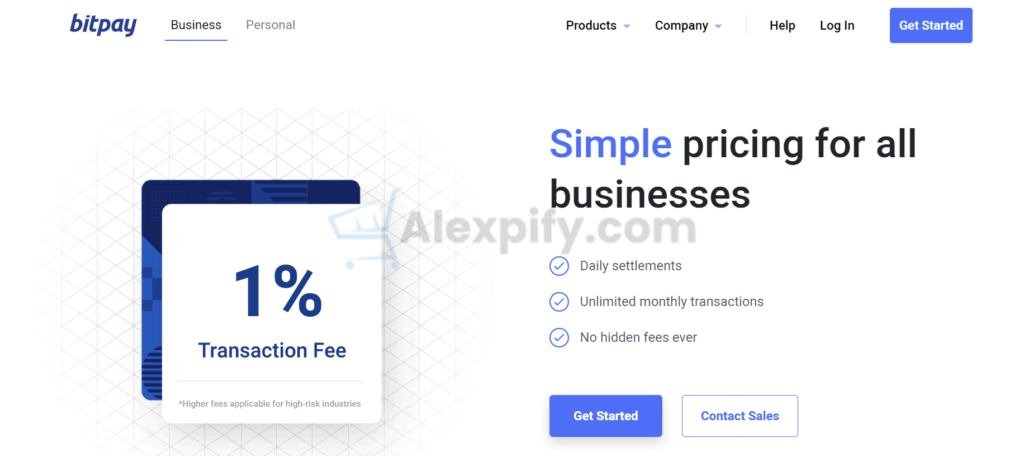
- Transparent Fees: Charges a 1% transaction fee, which is higher than CoinPayments but still significantly lower than traditional gateways, with no hidden fees.
- Broader Platform Compatibility: While integrated with Shopify, BitPay also supports a wide array of other e-commerce platforms, including WooCommerce, Magento, OpenCart, and PrestaShop.
Integration with Shopify:
To set up BitPay, you'll need to sign up for a merchant account and generate an API Token. BitPay offers a detailed manual on how to generate this token and integrate it into your Shopify store's alternative payment provider settings. The process is designed to be user-friendly, allowing for quick activation.
Conclusion
The decision to accept Bitcoin and other crypto payments on Shopify is a strategic one, balancing potential risks with significant opportunities. Each payment gateway discussed—Coinbase Commerce, CoinPayments, and BitPay—brings its own set of advantages. Your choice should align with your business model and priorities.
Here’s a concise guide to help you decide:
- Choose Coinbase Commerce if your primary concerns are the lowest possible acceptance fees and you're content with offering the most popular cryptocurrencies. It’s ideal for Shopify and WooCommerce users seeking decentralized control.
- Opt for CoinPayments if your goal is to provide your customers with the broadest possible selection of cryptocurrencies, alongside a reliable auto-conversion feature to manage volatility.
- Select BitPay if you prioritize stability and prefer automatic conversion of crypto payments directly into your fiat bank account, especially if you value working with a payment processor trusted by large enterprises and need integration with a less common e-commerce platform.
Implementing any of these solutions will answer the question, "How to accept Bitcoin (& other crypto payments) on Shopify?" and open your store to a new, digitally-native customer segment. Understanding the critical factors when choosing a payment gateway, including transaction costs, supported currencies, and settlement options, is paramount to making an informed decision.
Frequently Asked Questions
Q1: What are the main benefits of accepting crypto payments on Shopify?
A1: Accepting crypto payments can attract tech-savvy customers, potentially lower transaction fees compared to traditional methods, offer faster processing times, and enhance your brand's image as an innovative and forward-thinking business. It also provides an opportunity to hold assets that may appreciate in value.
Q2: Are there any risks associated with accepting cryptocurrency payments?
A2: The primary risk is cryptocurrency volatility, meaning the value of received payments can fluctuate significantly against fiat currencies. However, some gateways offer automatic conversion to stablecoins or fiat to mitigate this risk. There's also the operational consideration of managing a new payment rail.
Q3: How do crypto transaction fees compare to traditional payment gateway fees?
A3: Crypto payment gateways typically charge much lower transaction fees, often less than 1%, and sometimes even 0% for acceptance (with a small withdrawal fee). This is a significant reduction compared to the industry standard of 2.9% + $0.30 charged by many traditional processors .
Q4: Which cryptocurrencies can I typically accept on Shopify?
A4: Most crypto payment gateways support major cryptocurrencies like Bitcoin (BTC) and Ethereum (ETH). Depending on the provider, you can also accept others such as Bitcoin Cash (BCH), Litecoin (LTC), DAI, and USD Coin (USDC), with some platforms offering support for over 100 different altcoins.
Q5: How does a crypto payment gateway integrate with my Shopify store?
A5: Integration usually involves signing up for an account with a chosen crypto payment provider (e.g., Coinbase Commerce, CoinPayments, BitPay), generating an API key or token from their dashboard, and then pasting this key into the "Alternative Payment Methods" section under "Settings" → "Payments" in your Shopify admin panel.
Q6: Can I automatically convert crypto payments to fiat currency?
A6: Yes, certain payment gateways like BitPay offer automatic conversion of received cryptocurrencies into your preferred fiat currency (e.g., USD, EUR) and then deposit those funds directly into your bank account. CoinPayments also offers an auto coin conversion feature to stablecoins. This feature helps businesses avoid cryptocurrency price fluctuations.
Q7: Is it complicated to manage cryptocurrency accounting and taxes?
A7: While managing crypto transactions can add complexity to accounting and taxes, most payment gateways provide detailed transaction histories and reporting tools. It's advisable to consult with a tax professional experienced in cryptocurrency to ensure compliance with local regulations.
Q8: Will accepting crypto attract more international customers?
A8: Yes, cryptocurrencies can facilitate international transactions by offering lower fees and faster processing compared to traditional international bank transfers or credit card payments, which can appeal to a global customer base and potentially reduce cart abandonment from international shoppers.

About us and this blog
Alexpify is a knowledge hub for entrepreneurs who want to master Shopify dropshipping and global e-commerce. Founded by Alex, the blog shares practical guides, real insights, and step-by-step tutorials that simplify online business for everyone — from beginners to full-time digital sellers.

More from my blog
See all posts